
Pioneering Legends of Karate
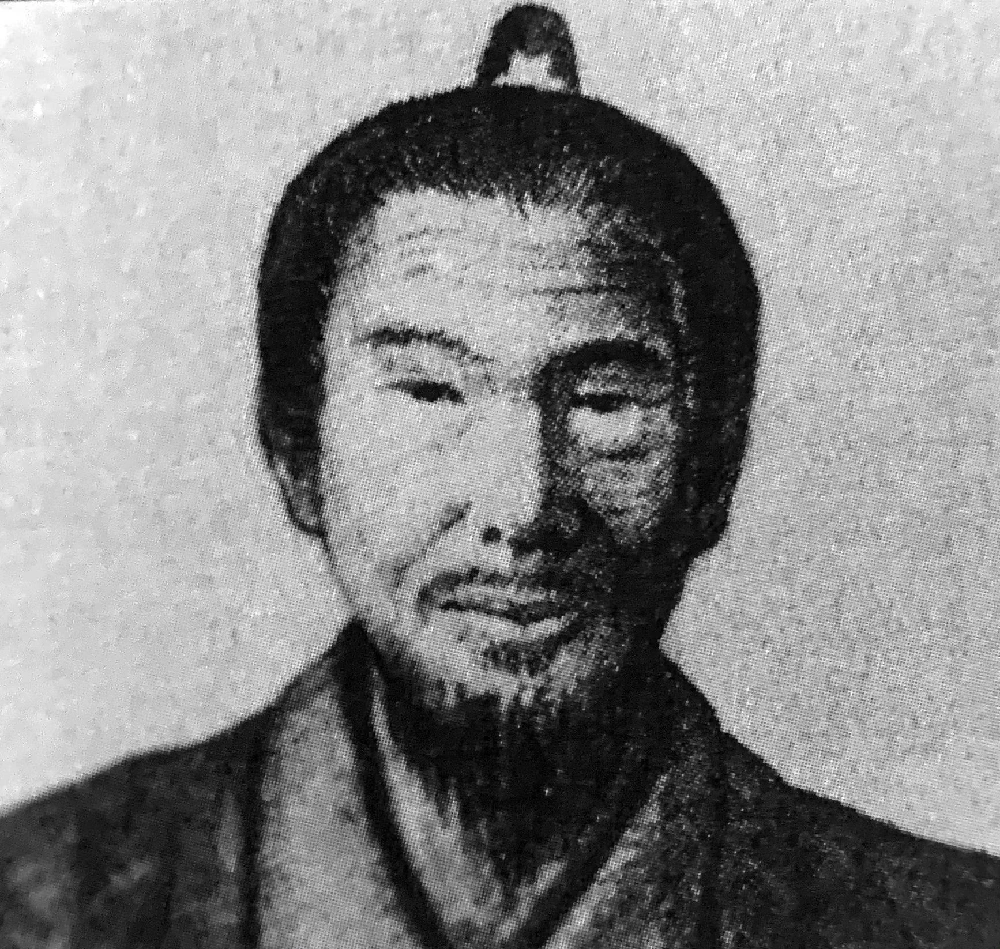
Kanga Sakugawa (1733–1815) – Known as “Tode” Sakugawa, he studied Chinese martial arts under Kusanku and integrated them with Okinawan fighting traditions. His teachings laid the foundation for Shuri-te and inspired future masters to blend external influences with native practices. Sakugawa is often referred to as one of the "founding fathers" of karate.
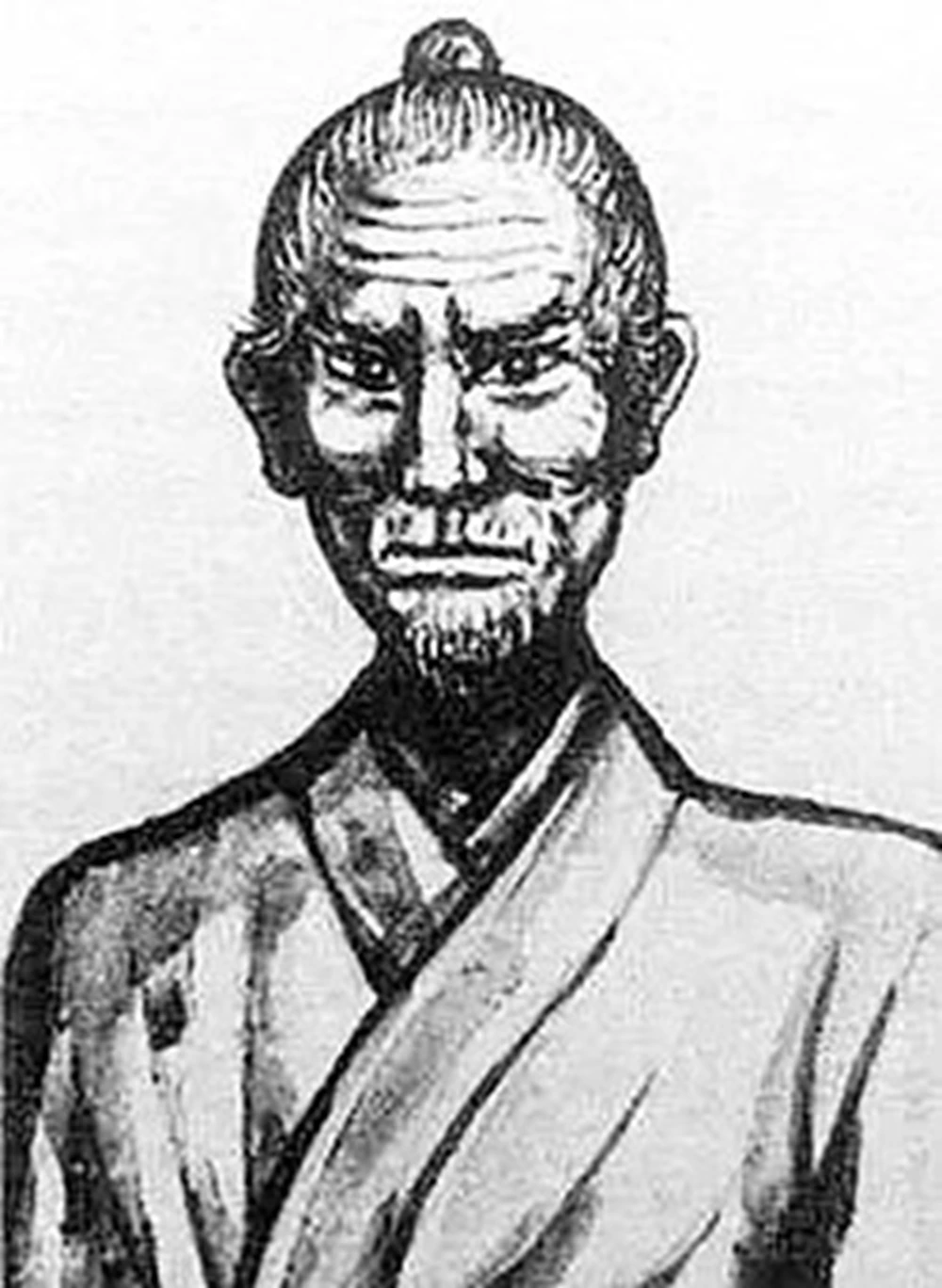
Sokon “Bushi” Matsumura (1809–1899) – A royal bodyguard to Okinawan kings, Matsumura is regarded as the father of Shuri-te. His discipline and mastery influenced Itosu and Asato, proving Karate could be both practical for defense and noble in spirit. He focused heavily on developing great speed in every technique, as he believed that speed was the key to power.
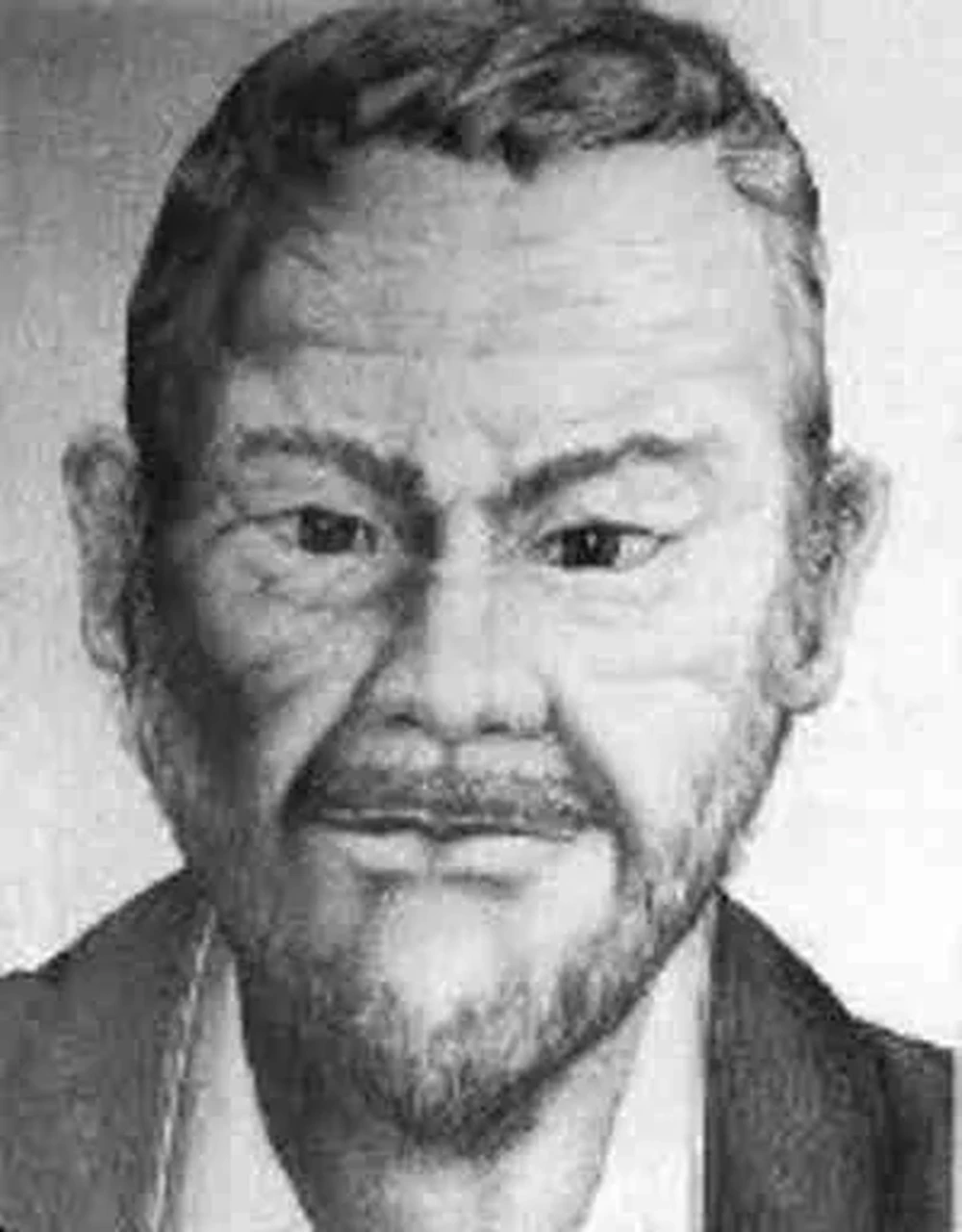
Anko Asato (1828–1906) – A Shuri-te master who mentored Gichin Funakoshi. His guidance helped bridge Okinawan Karate to Japan, showing how tradition could adapt to new cultural contexts. According to Funakoshi, Asato was not only a master of karate, but also skilled at riding horses, swordsmanship, archery, and an exceptional scholar.
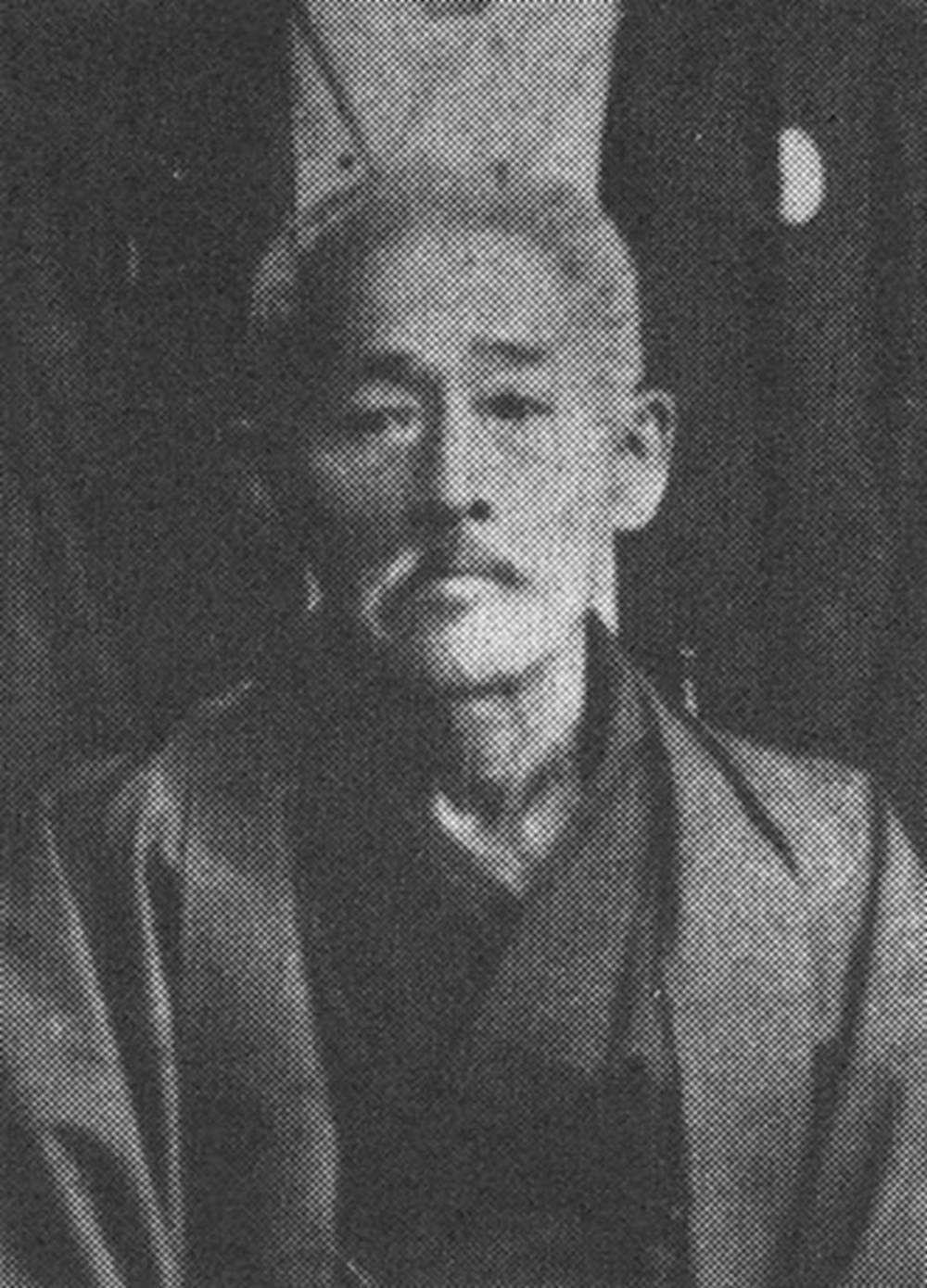
Kanryo Higaonna (1853–1915) – Founder of Naha-te, he trained extensively in China and brought back powerful techniques. His dedication to rigorous training inspired his student Chojun Miyagi to create Goju-Ryu, blending strength with fluidity. Kanryo was noted for his powerful Sanchin kata.
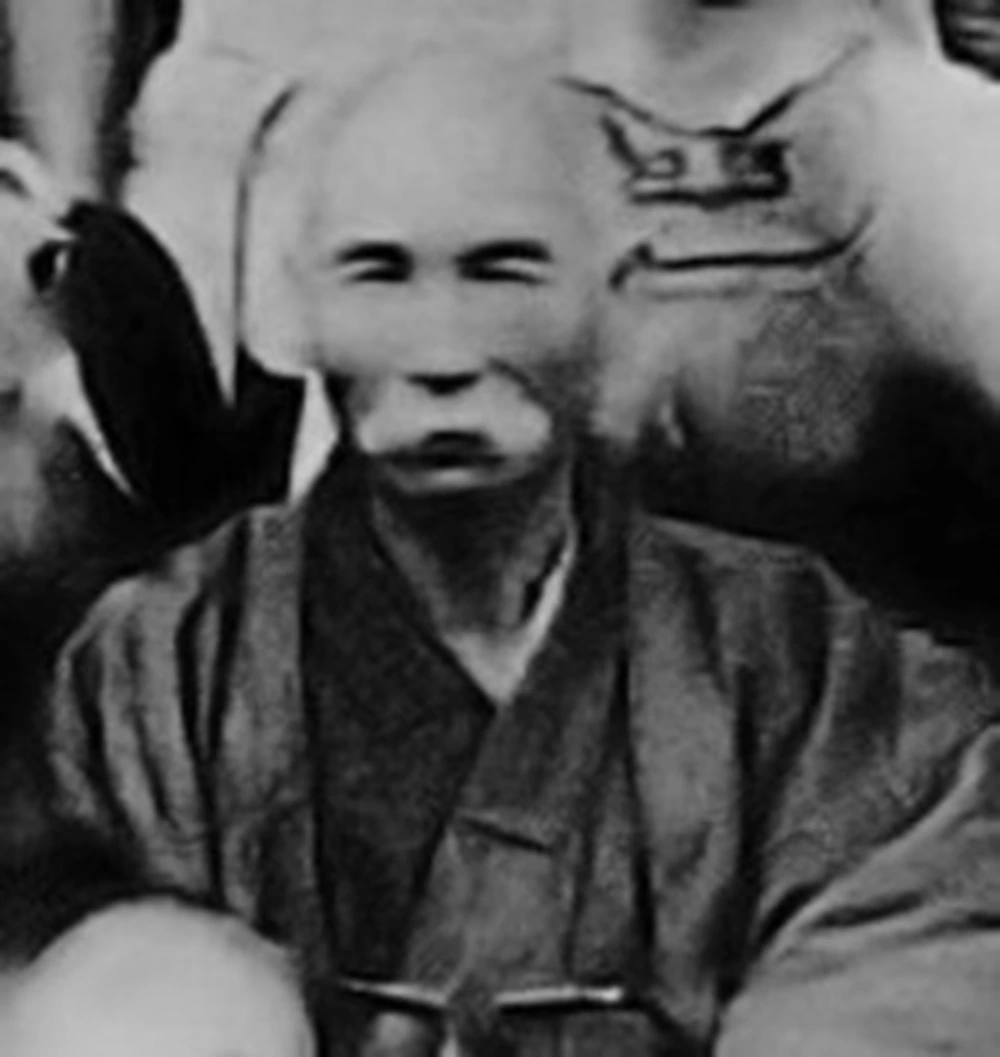
Anko Itosu (1831–1915) – Famous for introducing Karate into Okinawan schools, he simplified kata for education. His vision ensured Karate’s survival and growth, making it accessible to younger generations. Itosu served as a secretary to the last king of the Ryūkyū Kingdom until Japan abolished the Okinawa-based native monarchy in 1879.
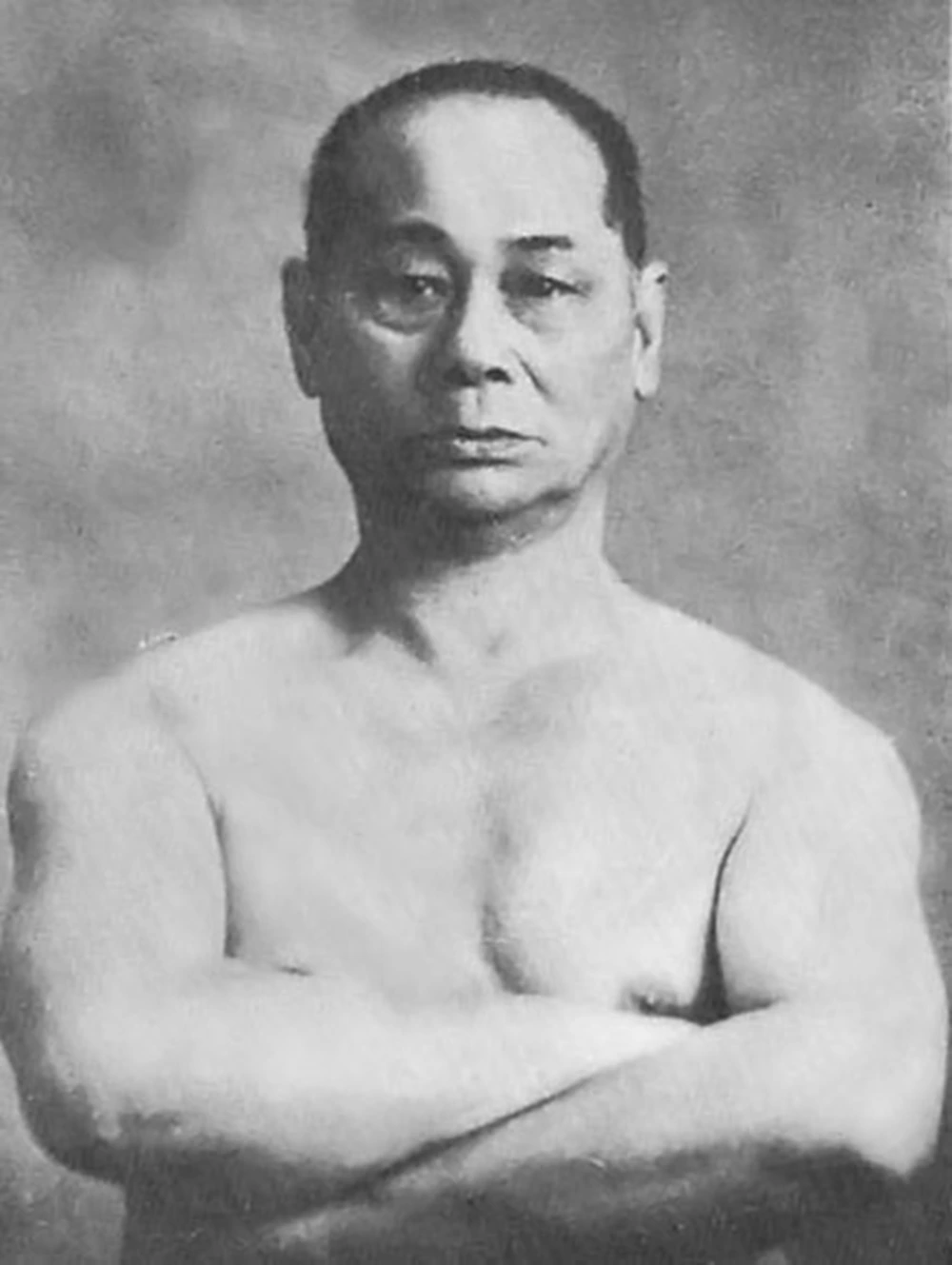
Choki Motobu (1870–1944) – Renowned for his fighting prowess, he emphasized real combat over theory. His approach reminded Karateka that practicality and courage are at the heart of martial arts. He excelled especially in kumite and was known throughout Okinawa in his twenties and later came to be regarded as the best in Okinawa in terms of practical karate techniques.
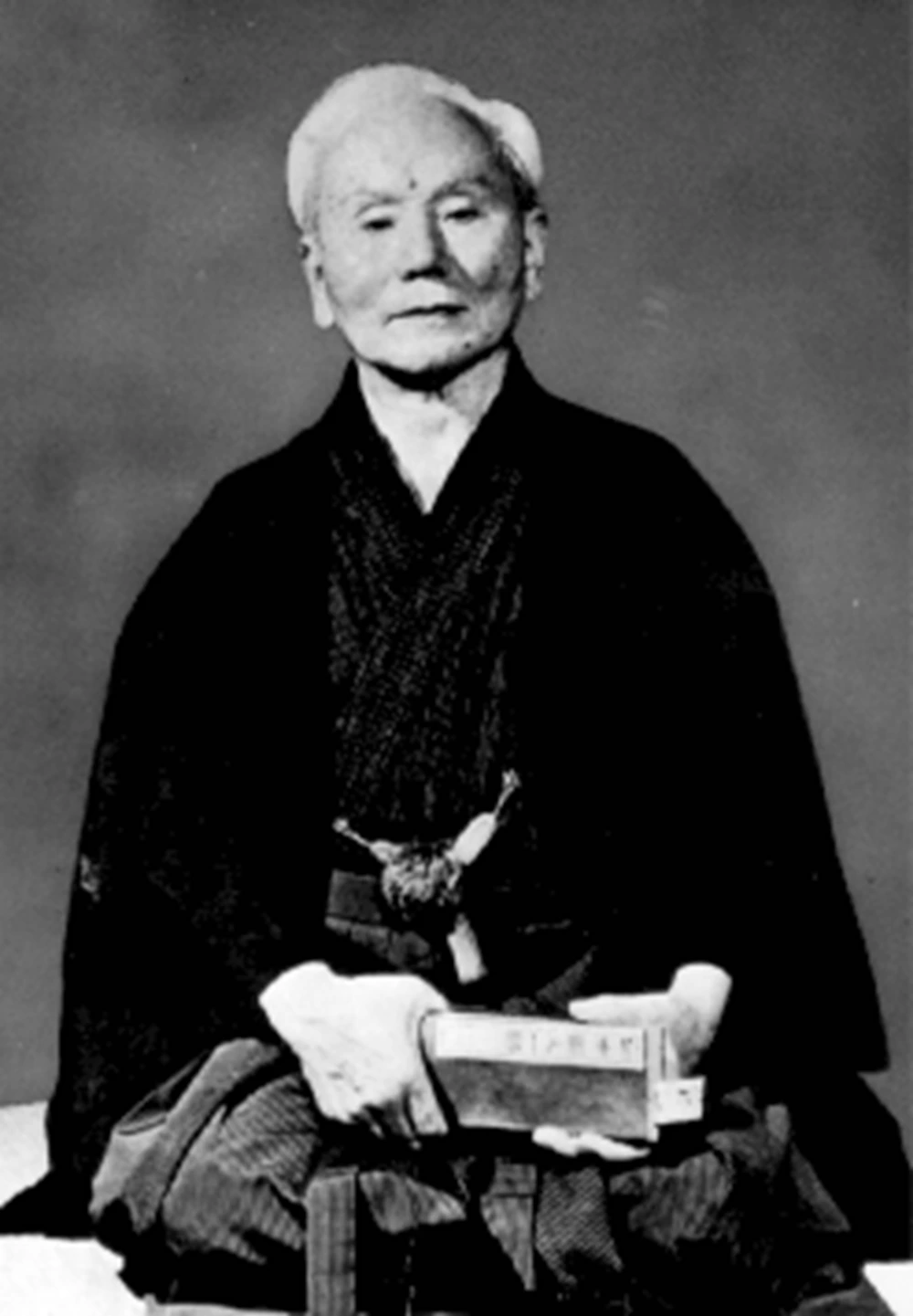
Gichin Funakoshi (1868–1957) – Founder of Shotokan, he introduced Karate to mainland Japan in 1922 following its earlier introduction by his teacher Itosu. His philosophy emphasized respect, discipline, and character, transforming Karate into a way of life. He is known as a "father of modern karate". He taught karate at various Japanese universities and became honorary head of the Japan Karate Association upon its establishment in 1949.
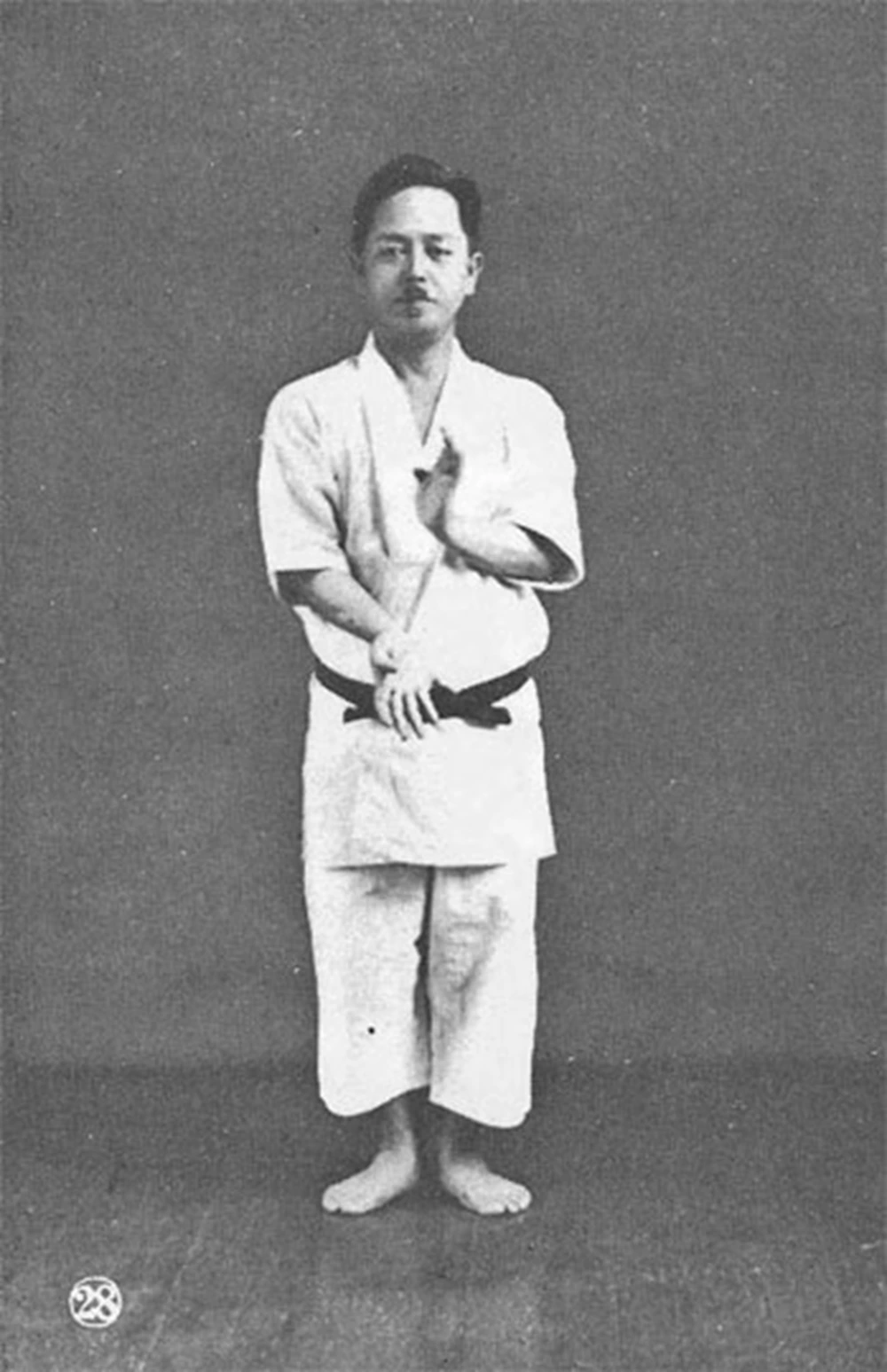
Kenwa Mabuni (1889–1952) – Founder of Shito-Ryu, he studied under both Itosu and Higaonna. One of the first karateka to teach karate in mainland Japan he chose the first characters of the names Itosu and Higaonna, his teachers for Shito-Ryu. His style blended Shuri-te and Naha-te, showing the power of synthesis in martial arts.
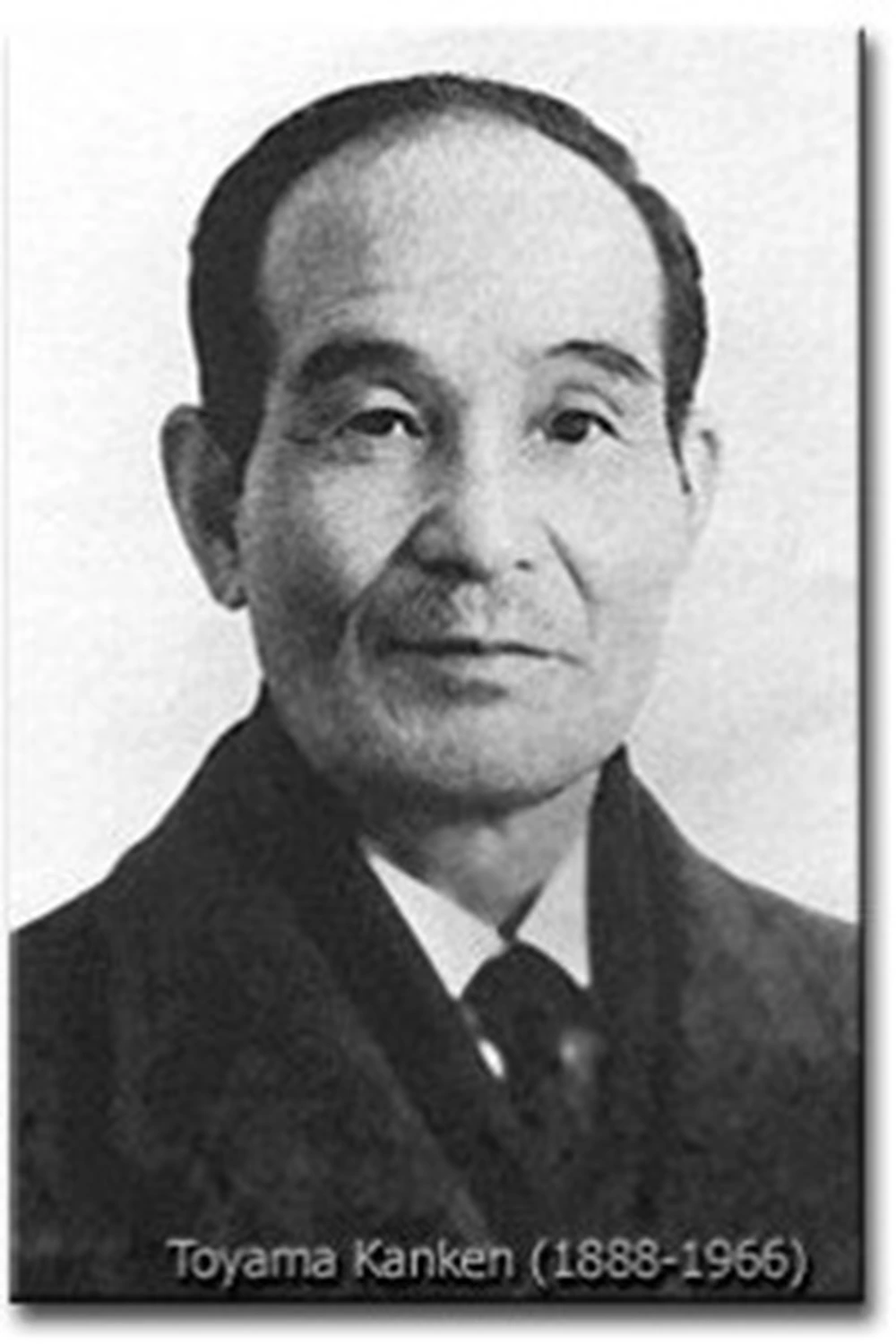
Kanken Toyama (1888–1966) – Founder of Shudokan, he incorporated Chinese martial influences. He believed Karate should remain flexible, teaching adaptability as a core principle. Toyama believed that "there is no school in karate" and he maintained a non-school principle throughout his life.
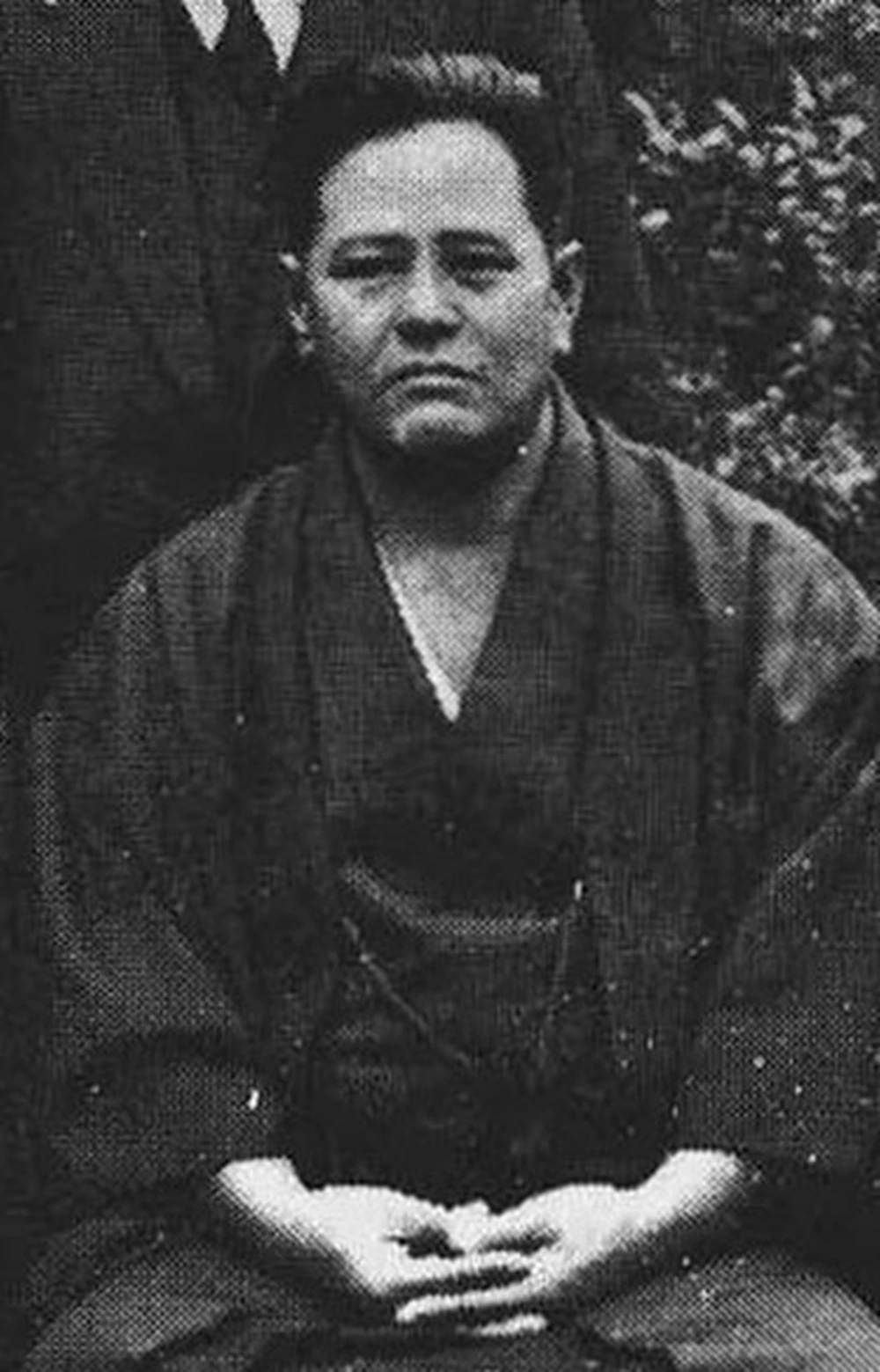
Chojun Miyagi (1888–1953) – Founder of Goju-Ryu, he named the style officially after blending hard and soft techniques. His emphasis on breathing and spirit made Karate a holistic practice. His greatest achievements was in the popularization and the organization of karate teaching methods. In recognition of his leadership in spreading karate in Japan, his style, Goju-Ryu, became the first style to be officially recognized by the Dai Nippon Butokukai.
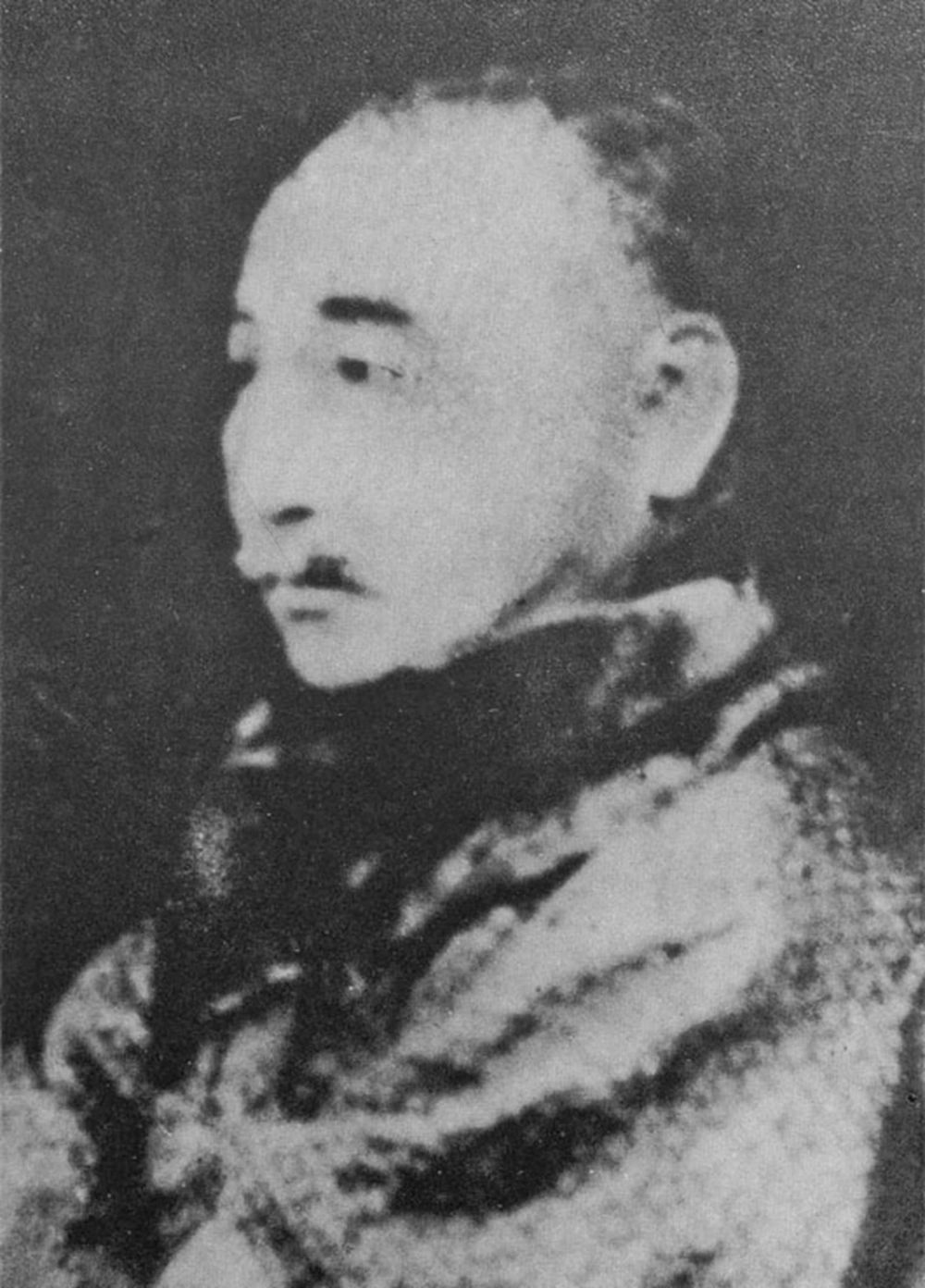
Motobu Choyu (1865–1928) – Elder brother of Choki Motobu, he preserved Motobu-Ryu traditions. His teachings emphasized grappling and close-range combat, adding depth to Karate’s arsenal. He studied various kinds of karate from instructors called to his home, such as Matsumura Sokon and Itosu Anko. Choyu knew up to 30 kata, the use of weapons and was a talented horseman.
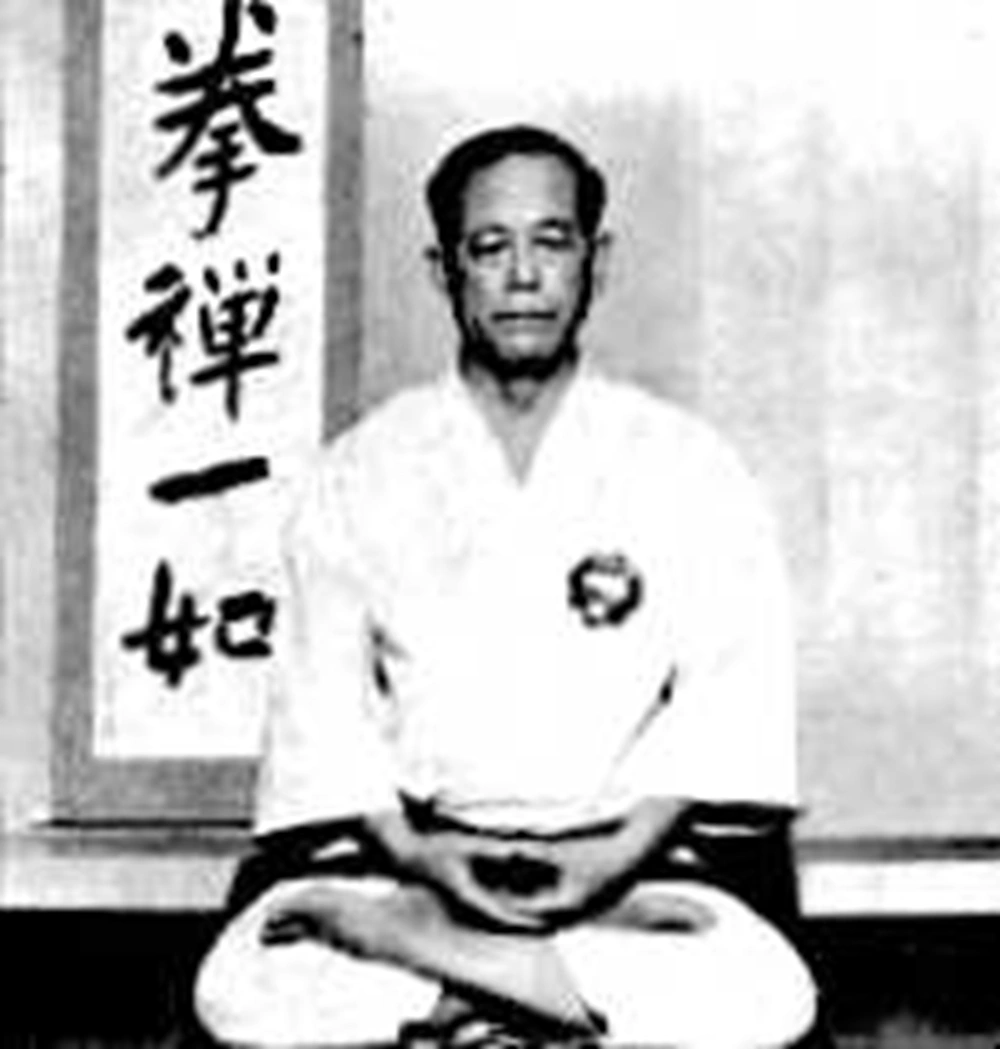
Shoshin Nagamine (1907–1997) – He was the founder of Matsubayashi-Ryu, a branch of Shorin-Ryu. Apart from being an Okinawa karate master, he was a soldier, police superintendent, assemblyman of Naha City between 1953 and 1957, play director and author. As a police chief, he applied Karate in law enforcement, proving its real-world value.
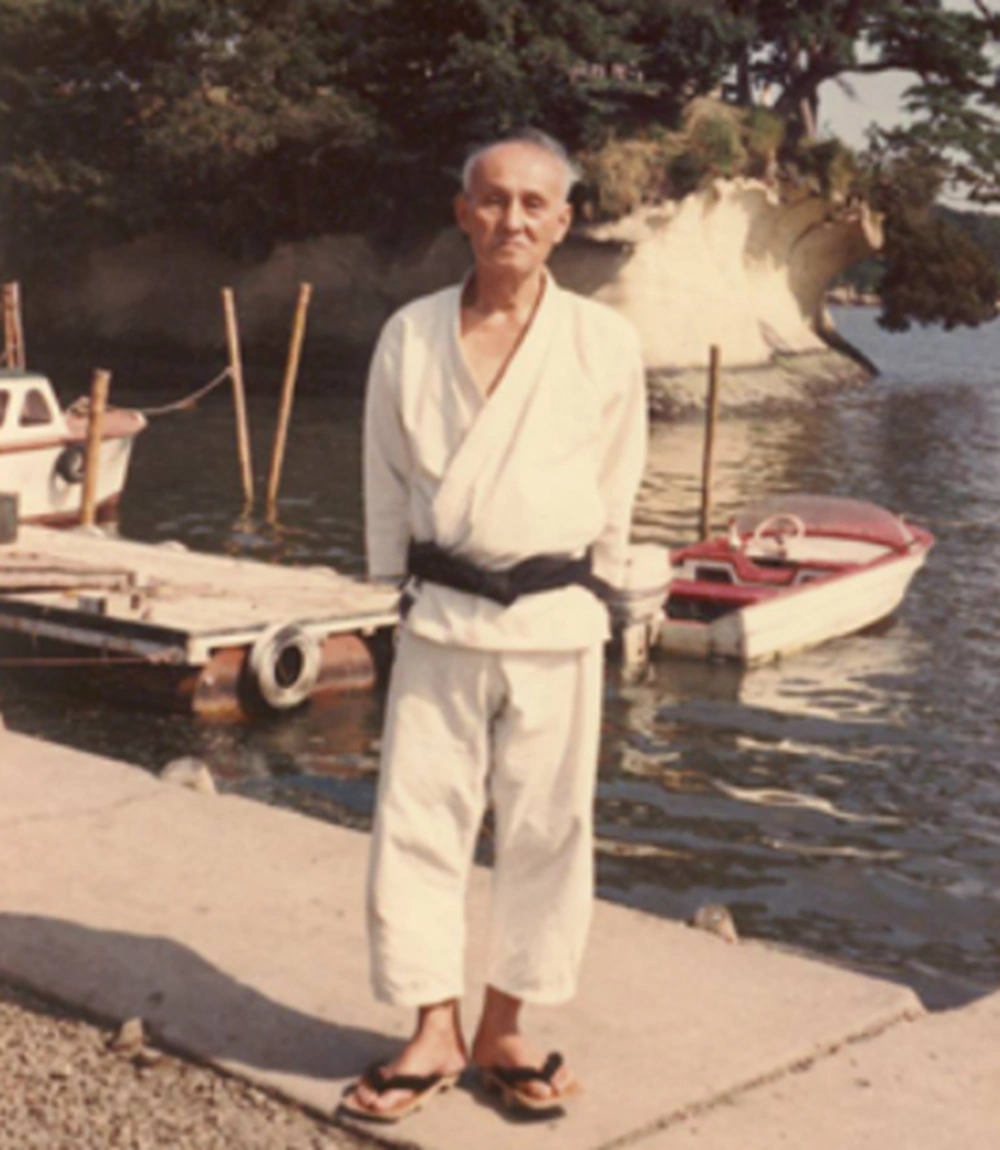
Hironori Ohtsuka (1892–1982) – Founder of Wado-Ryu in 1934, he blended Karate with Jujutsu. His style emphasized evasion and harmony, teaching that victory can come through peace. Ohtsuka started training in Shotokan karate under Gichin Funakoshi, and in 1927, he established a medical practice and specialised in treating martial arts training injuries.
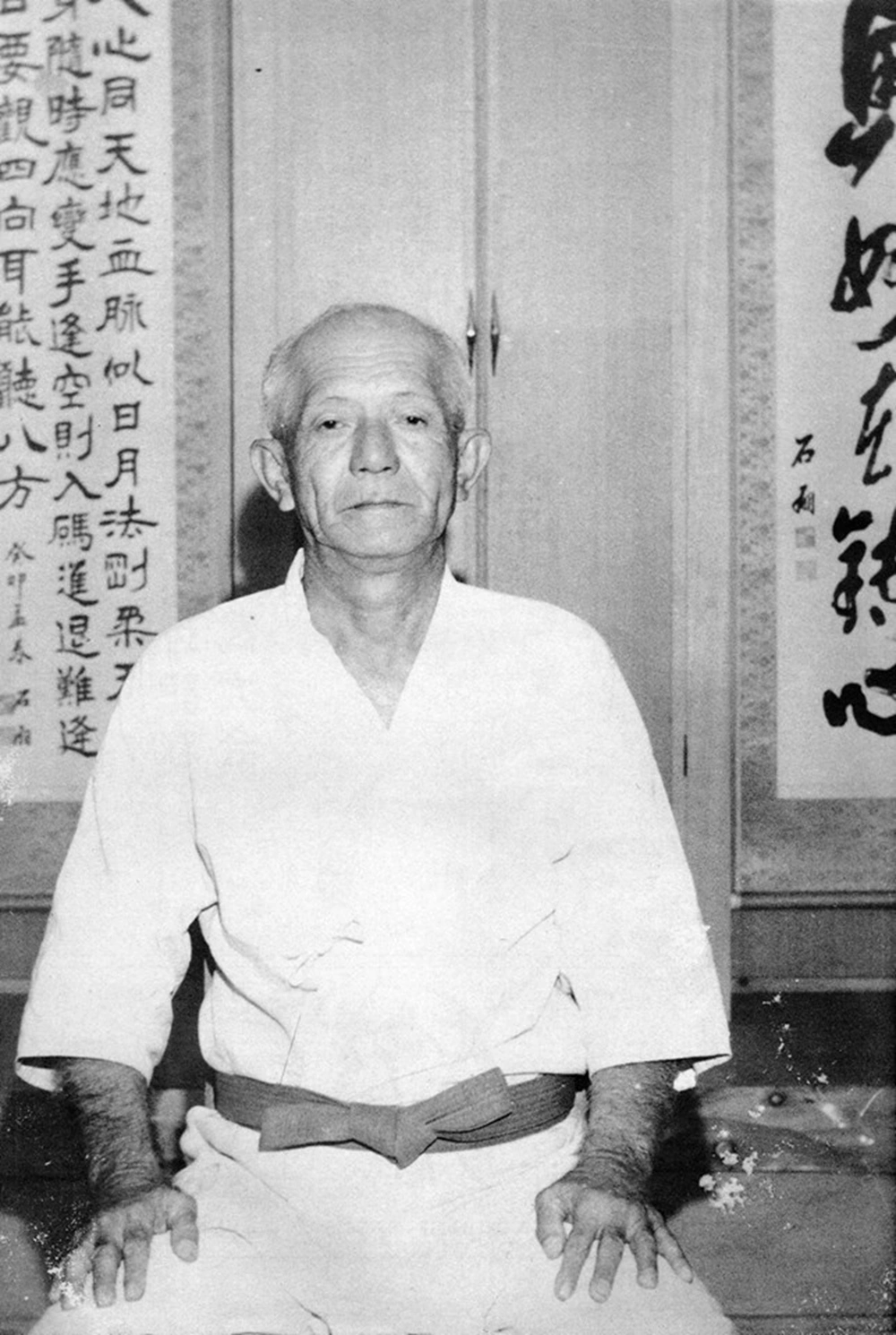
Seiko Higa (1898–1966) – A Goju-Ryu master, student of Higaonna Kanryo and Miyagi Chogun. He preserved Goju-Ryu after Miyagi’s death, ensuring tradition lived on. Higa worked as a police officer and in 1931 resigned from his job and devoted himself to teaching karate full time. He established the school Shodokan in 1960.
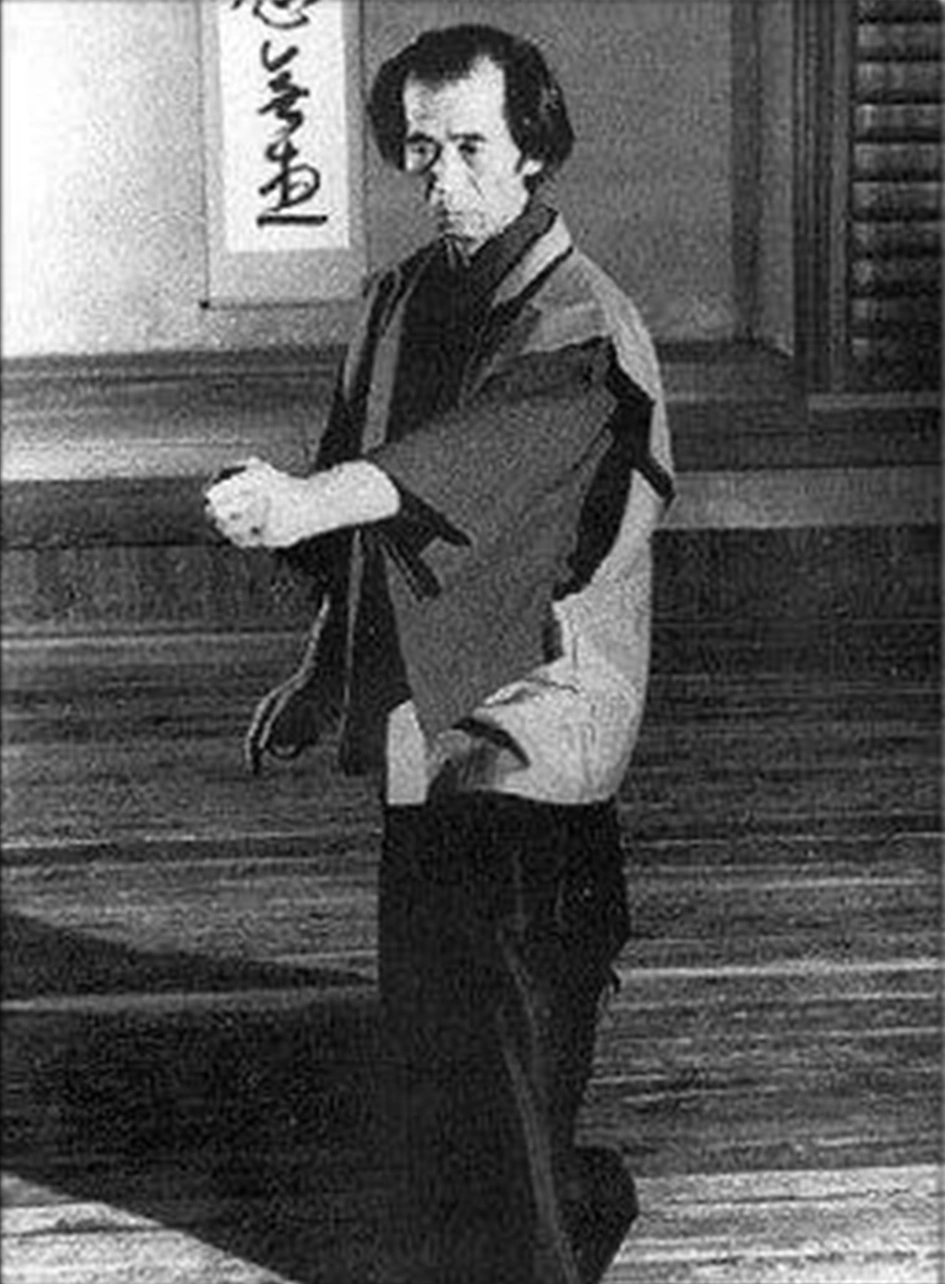
Shigeru Egami (1912–1981) – A close disciple of Funakoshi, he emphasized softer, flowing techniques. He sought to make Shotokan less rigid, inspiring Karateka to evolve with time and founded the Shōtōkai style. He was a key figure in the founding of the Japan Karate Association (JKA).
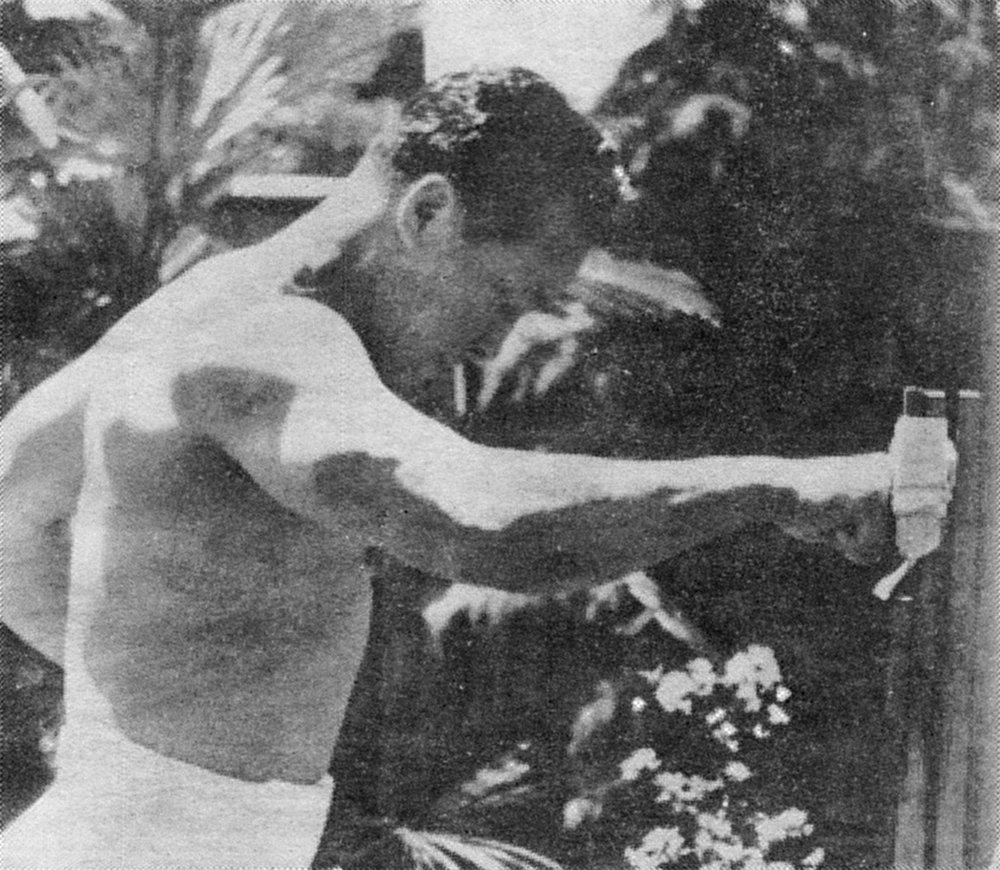
Mas Oyama (1923–1994) – Founder of Kyokushin, considered the first and most influential style of full contact karate. His feats of strength and courage made him a global icon, motivating practitioners to push beyond limits. Oyama believed in the practical application of karate and declared that ignoring 'breaking practice is no more useful than a fruit tree that bears no fruit’.
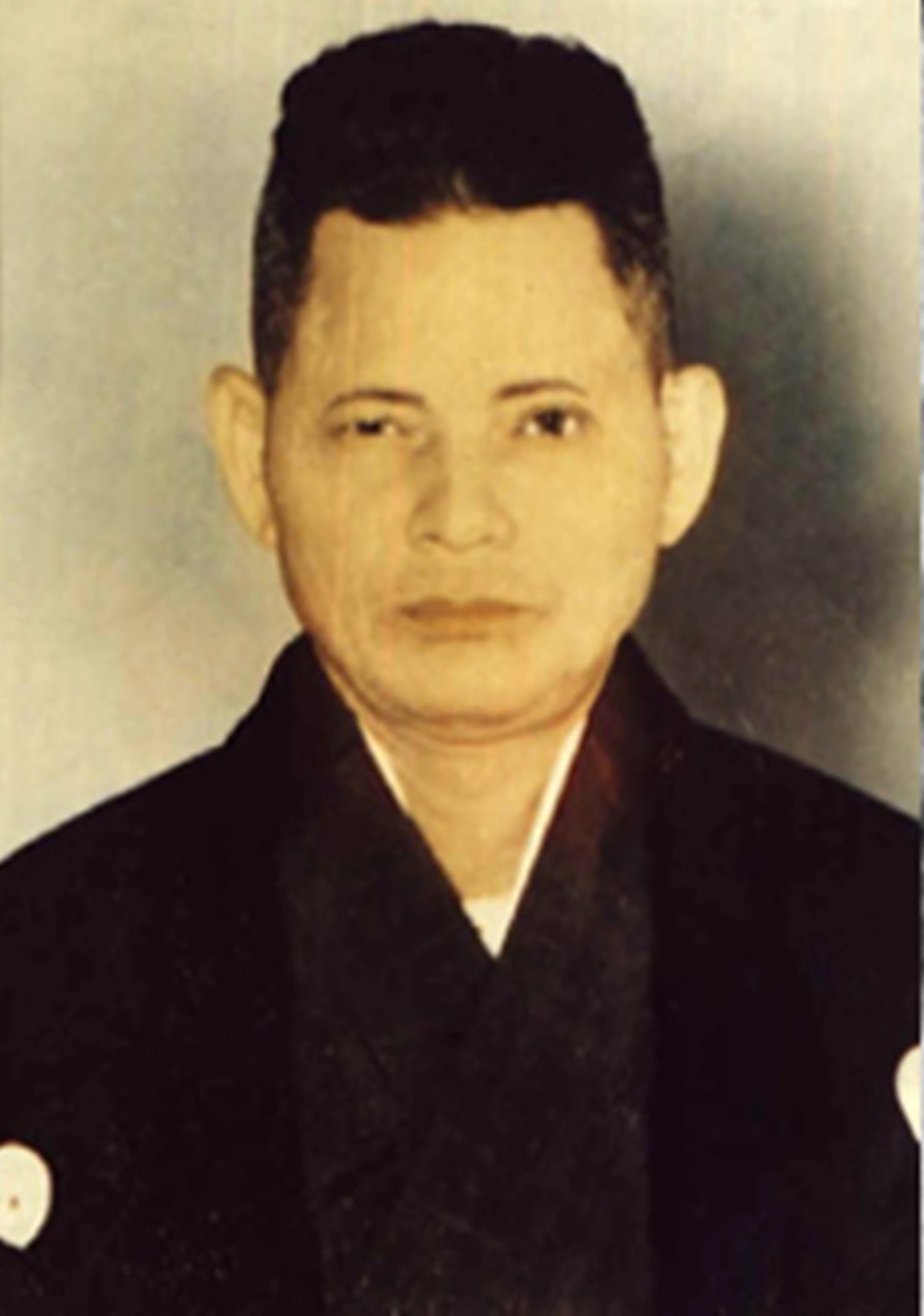
Tatsuo Shimabuku (1908–1975) – Founder of Isshin-Ryu, he combined Shorin and Goju styles of Karate. His system emphasized practicality, showing Karate’s adaptability to modern needs. Isshin-Ryu later spread throughout the United States by returning Marines who chose Shimabuku to provide instruction to them during 1955.
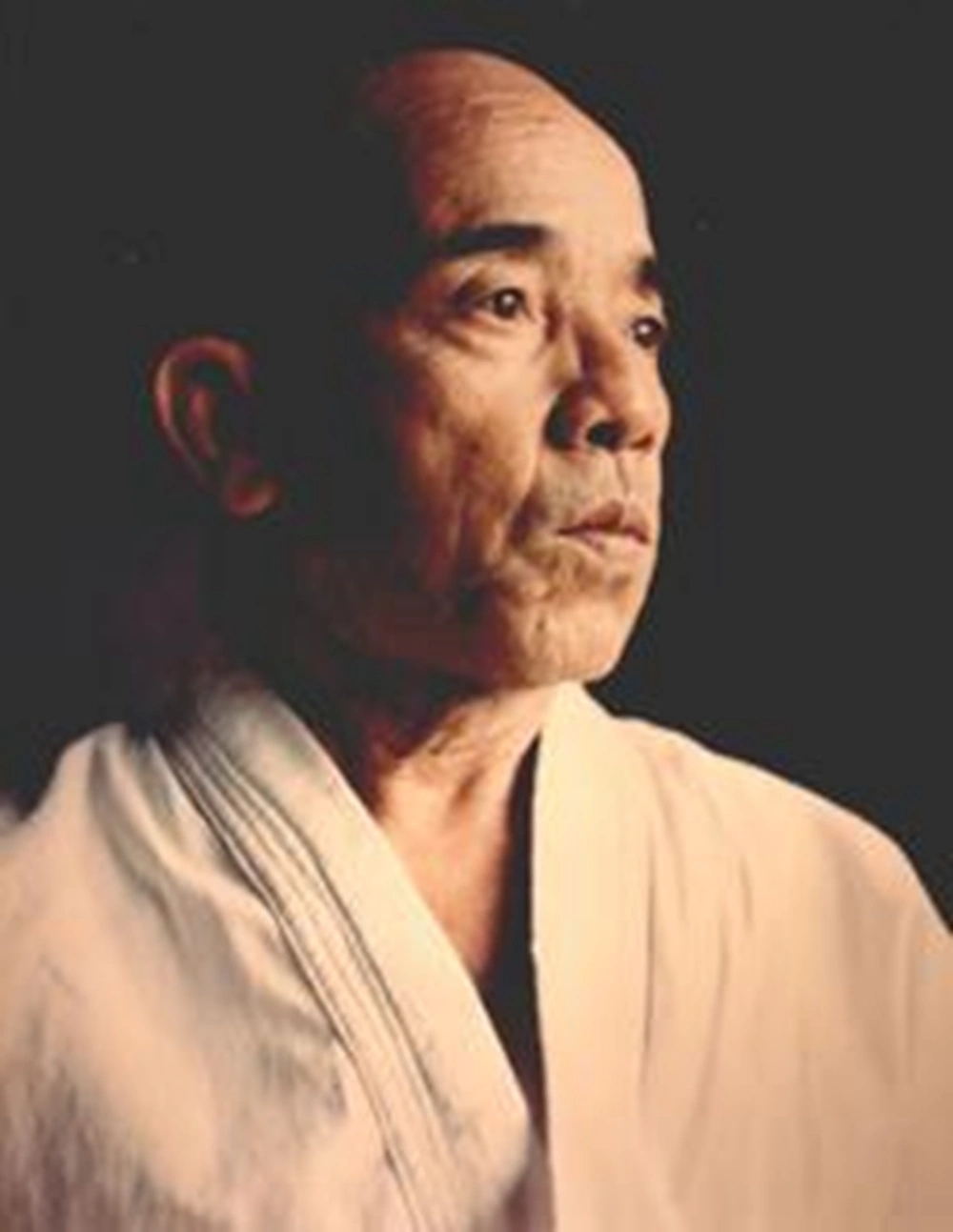
Zenryō Shimabukuro (1908–1969) – the founder of Shorin-ryu Seibukan karate. Shimabukuro was a student of the pre-war Okinawan master, Chotoku Kyan and trained under him for 10 years. Standing only 5 ft 2 in, Shimabukuro was a giant in the world of Okinawan Karate.
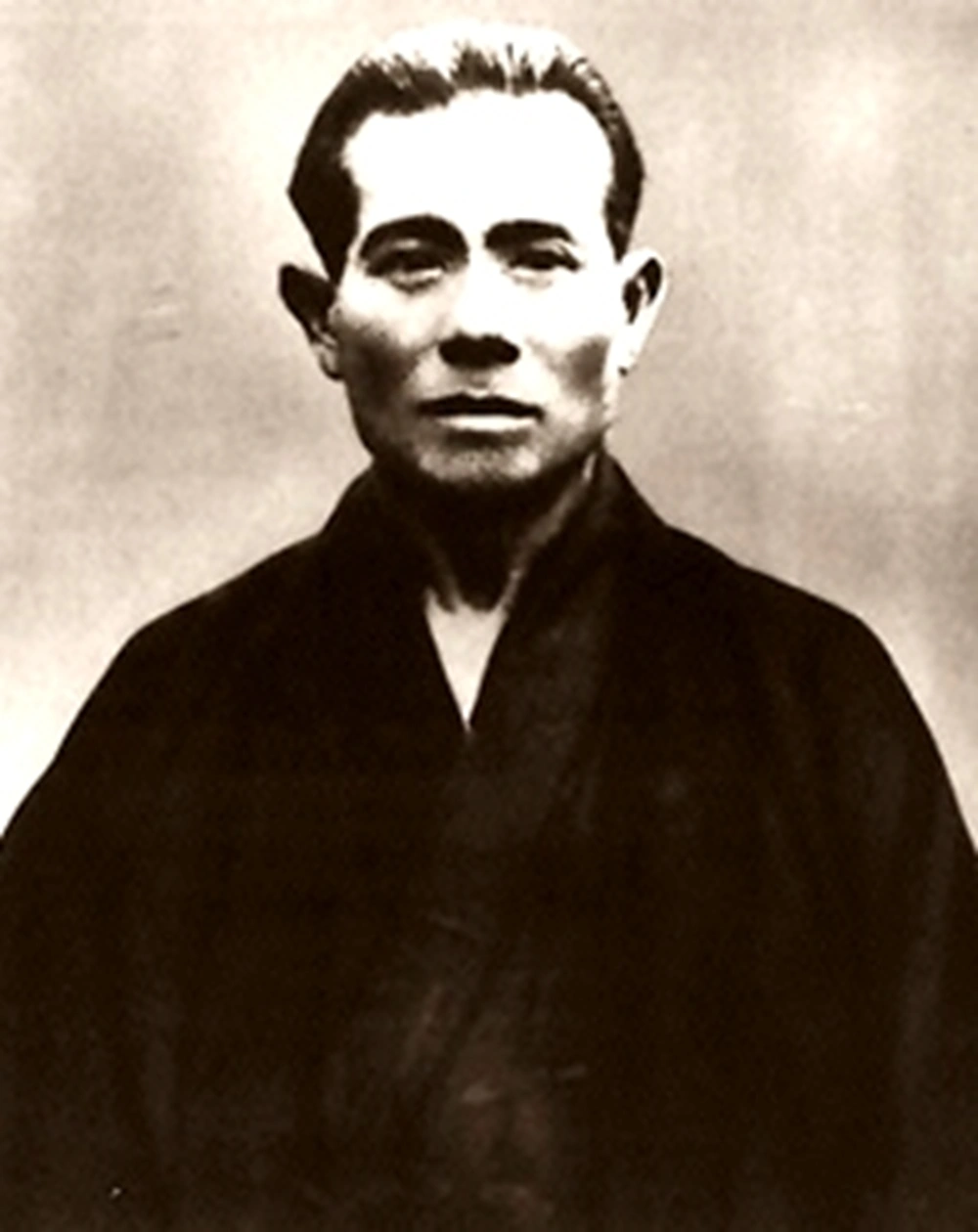
Kanbun Uechi (1877–1948) – Founder of Uechi-Ryu one of the primary karate styles of Okinawa and a fighting system associated with self-defence and heavily influenced by Chinese fighting systems. He trained in China for several years. His style emphasized quick, powerful strikes inspired by animal movements.
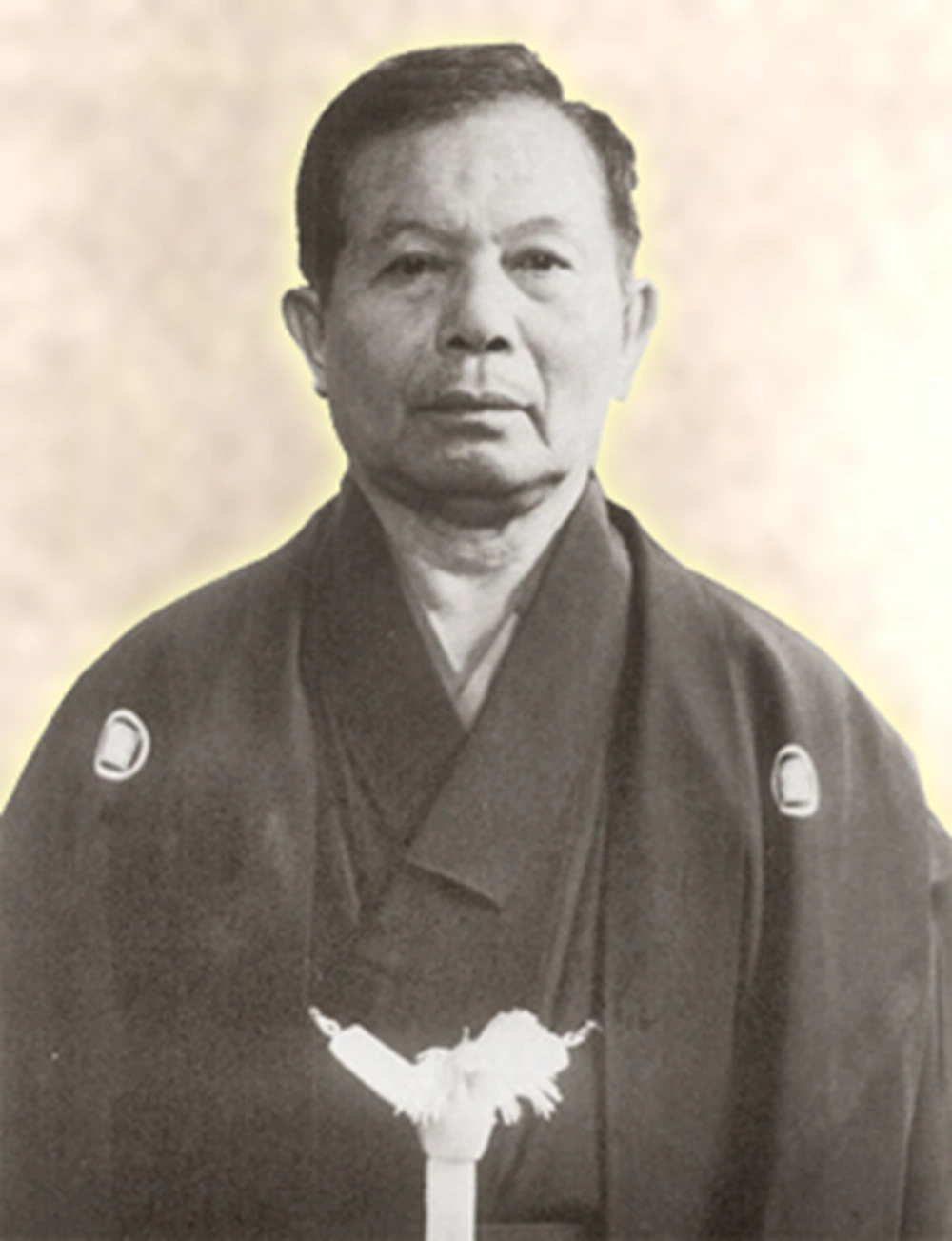
Kanei Uechi (1911–1991) – Son of Kanbun Uechi, he expanded Uechi-Ryu worldwide. Kanei was instrumental and at the forefront of Uechi-Ryū's growth after his father's death and made it accessible to modern students. His fighting stance was extremely strong for defence, and he applied fast wrist blocks with his left arm, and used his right arm for blocking punches and kicks.
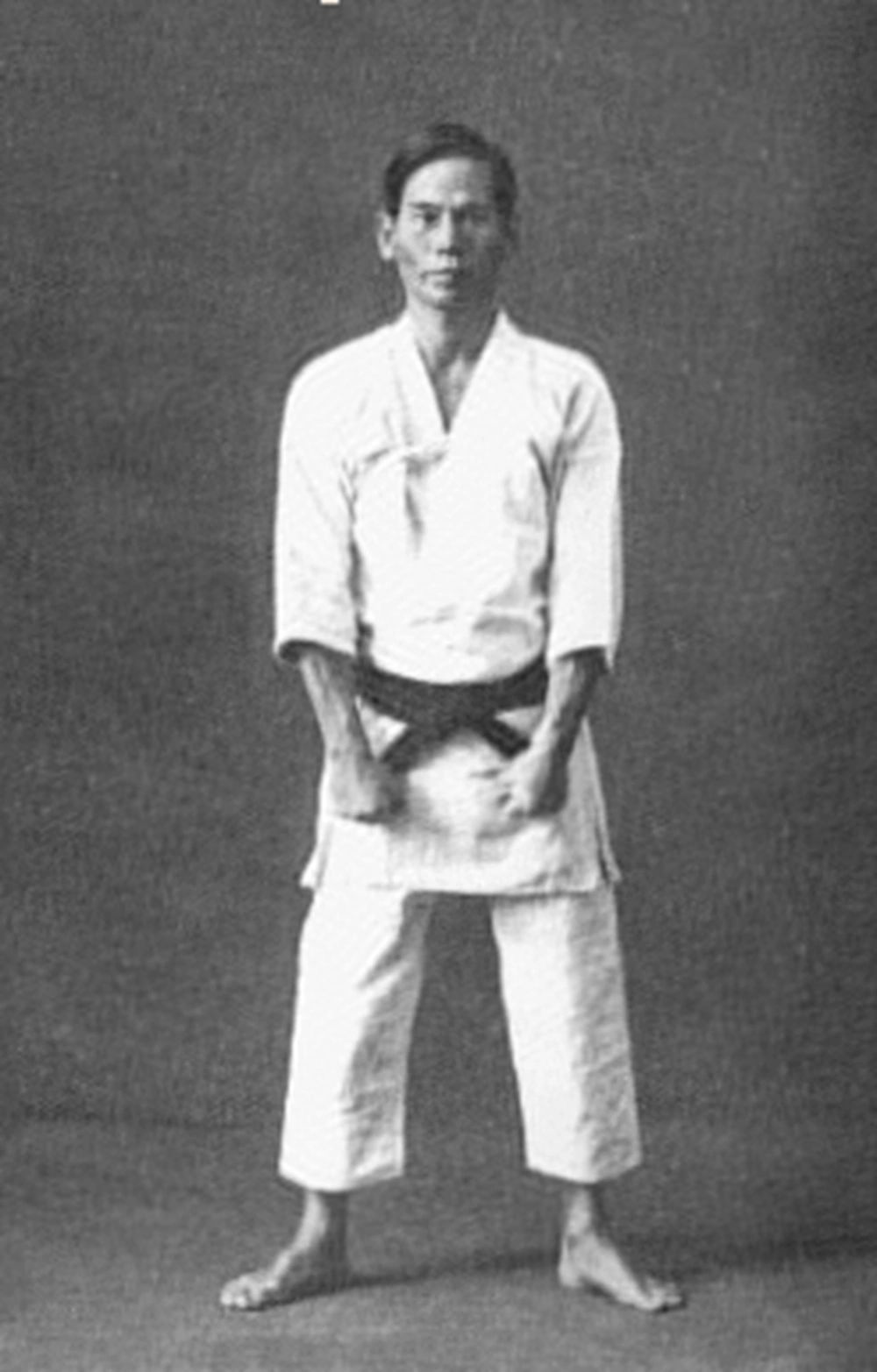
Shinpan Gusukuma (1890–1954) – Student of Anko Itosu, he trained under Higaonna Kanyo and was an influential Shorin-Ryu teacher. He emphasized kata practice and discipline, keeping tradition alive. Gusukuma went on to establish Shitō-Ryu with Kenwa Mabuni.
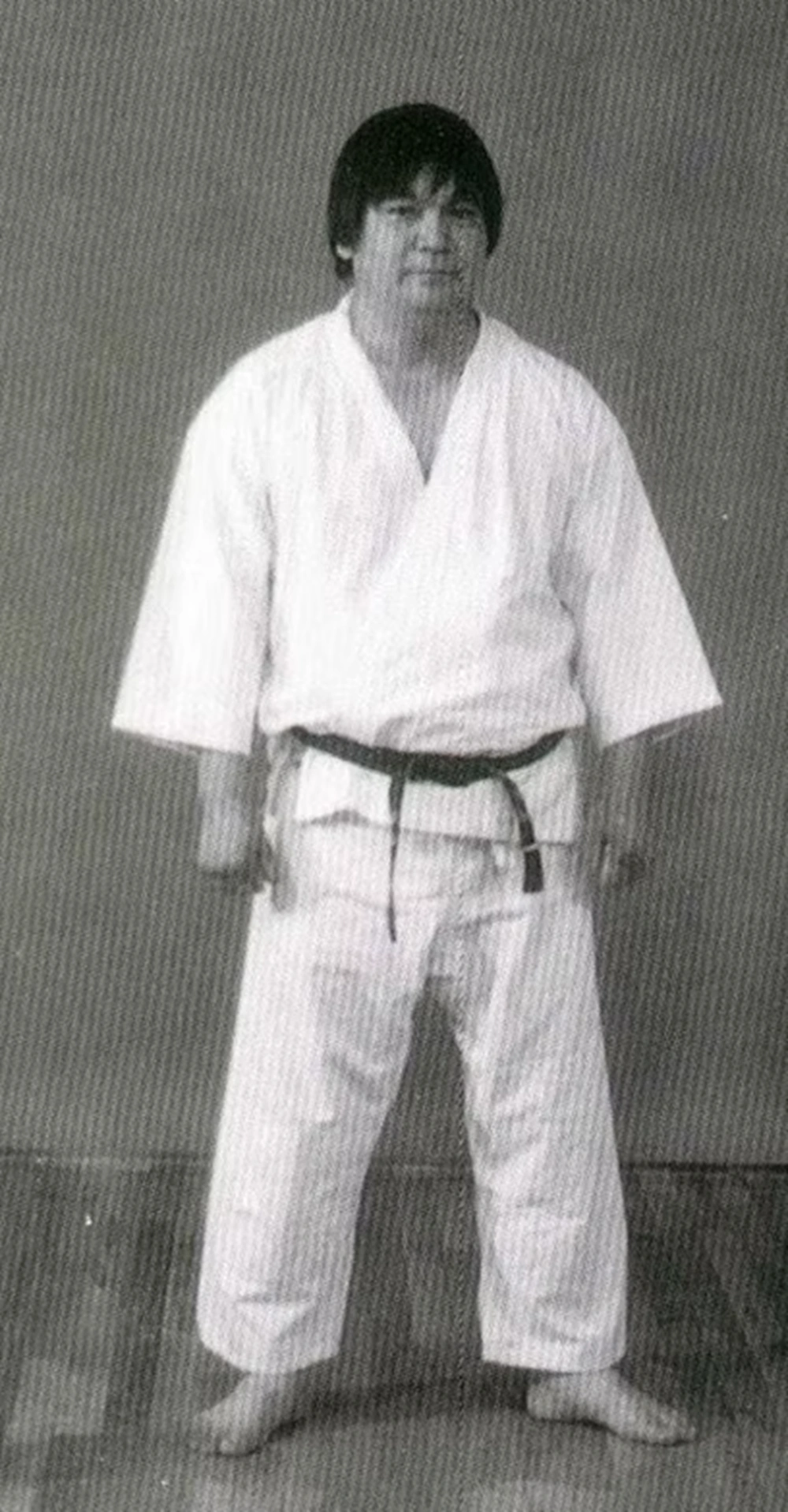
Ansei Ueshiro (1933–2002) – A pioneer of Shorin-Ryu Karate in the United States, Ansei Ueshiro was one of the first masters to bring Okinawan Karate to the United States (1962). His work helped Okinawan Karate gain international recognition.
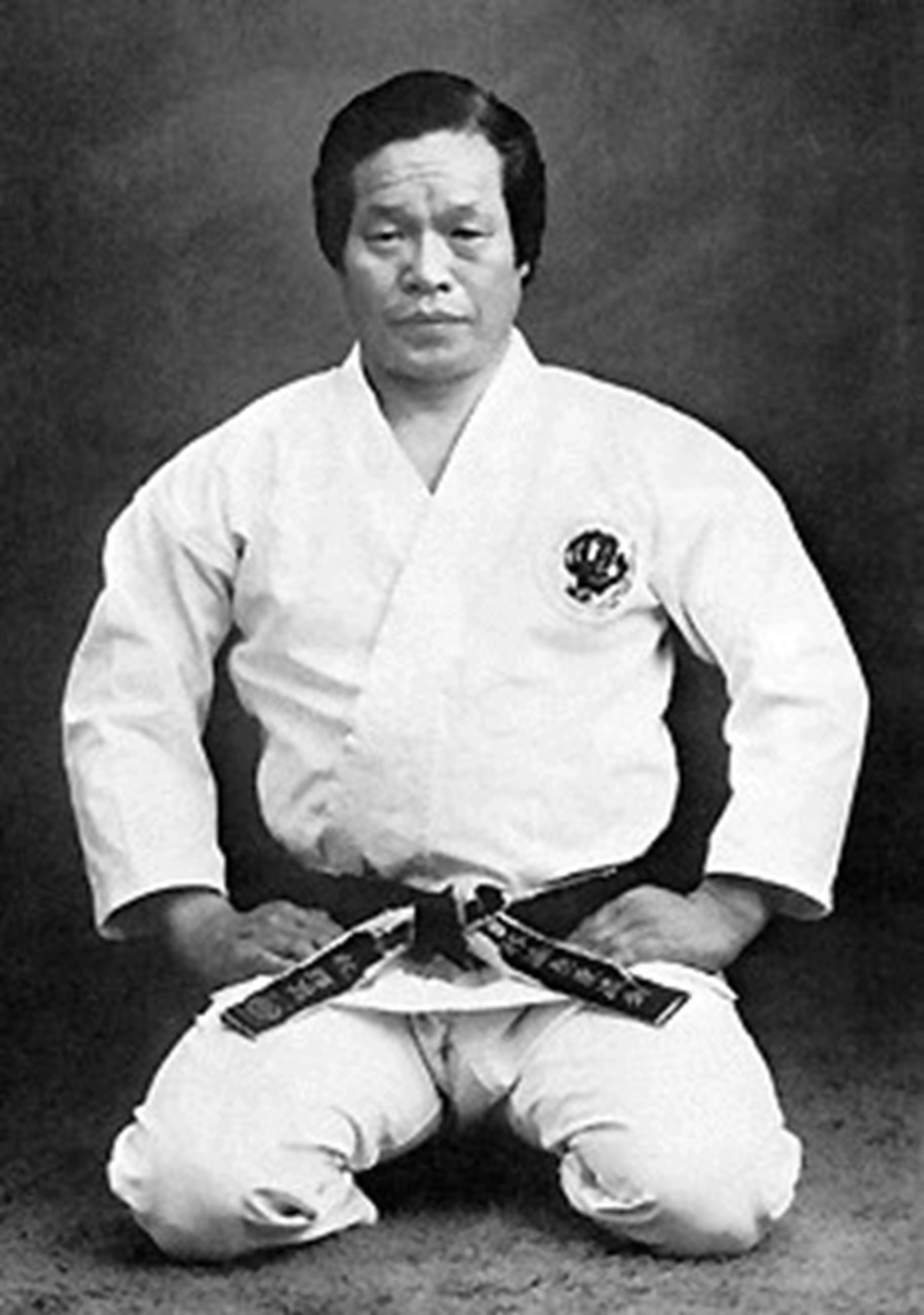
Teruo Hayashi (1924–2004) – Founder of Hayashi-ha Shito-Ryu. Known for technical precision, he inspired students to pursue excellence in detail. Teruo Hayashi has been described as one of the last great Japanese Budo masters. He dedicated his life to the pursuit of martial arts knowledge and was considered a great fighter.
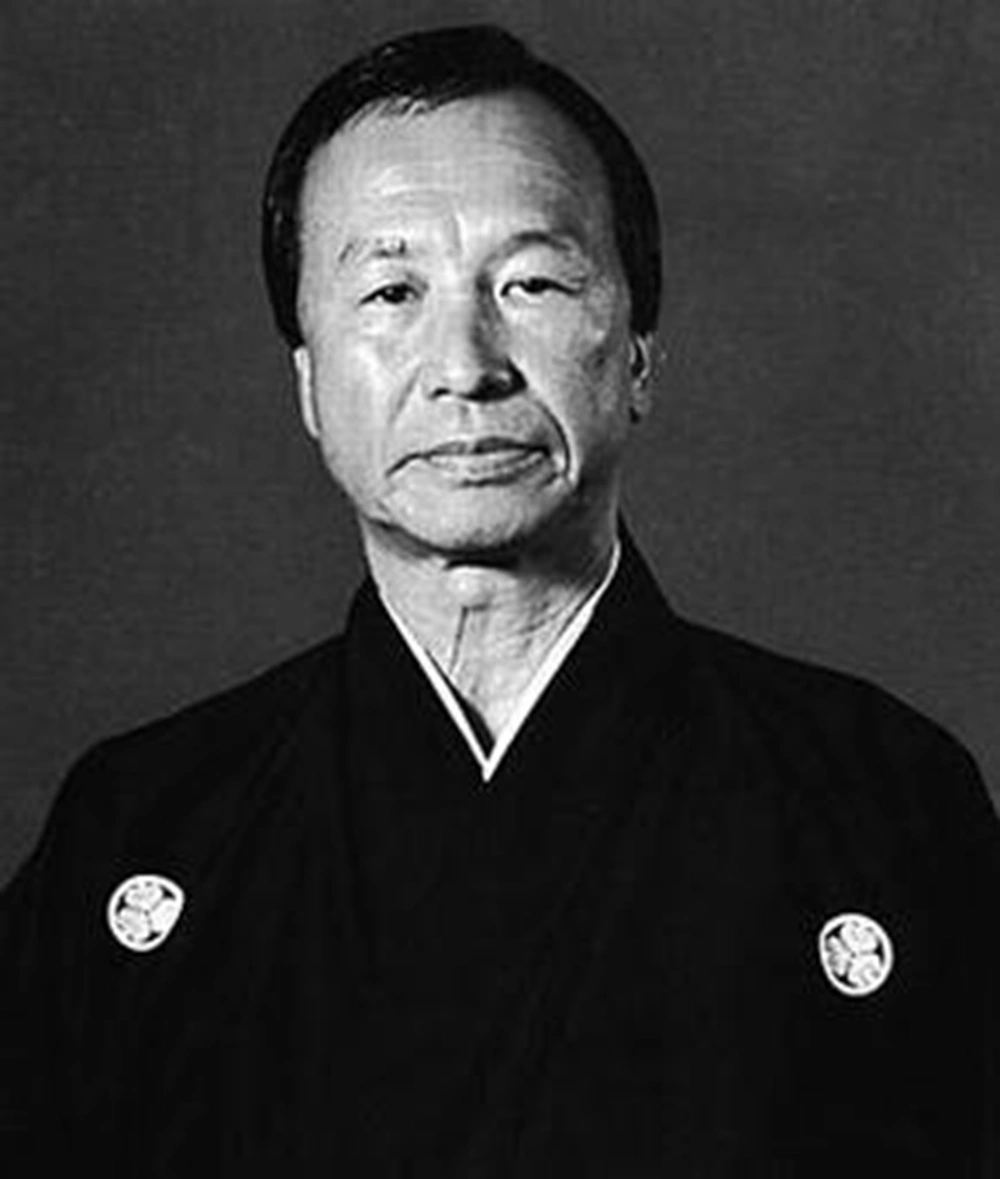
Keinosuke Enoeda (1935–2003) – He was a Japanese master of Shotokan karate, nicknamed “Tiger of Shotokan.” His fierce spirit spread Karate across Europe, motivating countless practitioners. He was widely renowned as a formidable karateka.
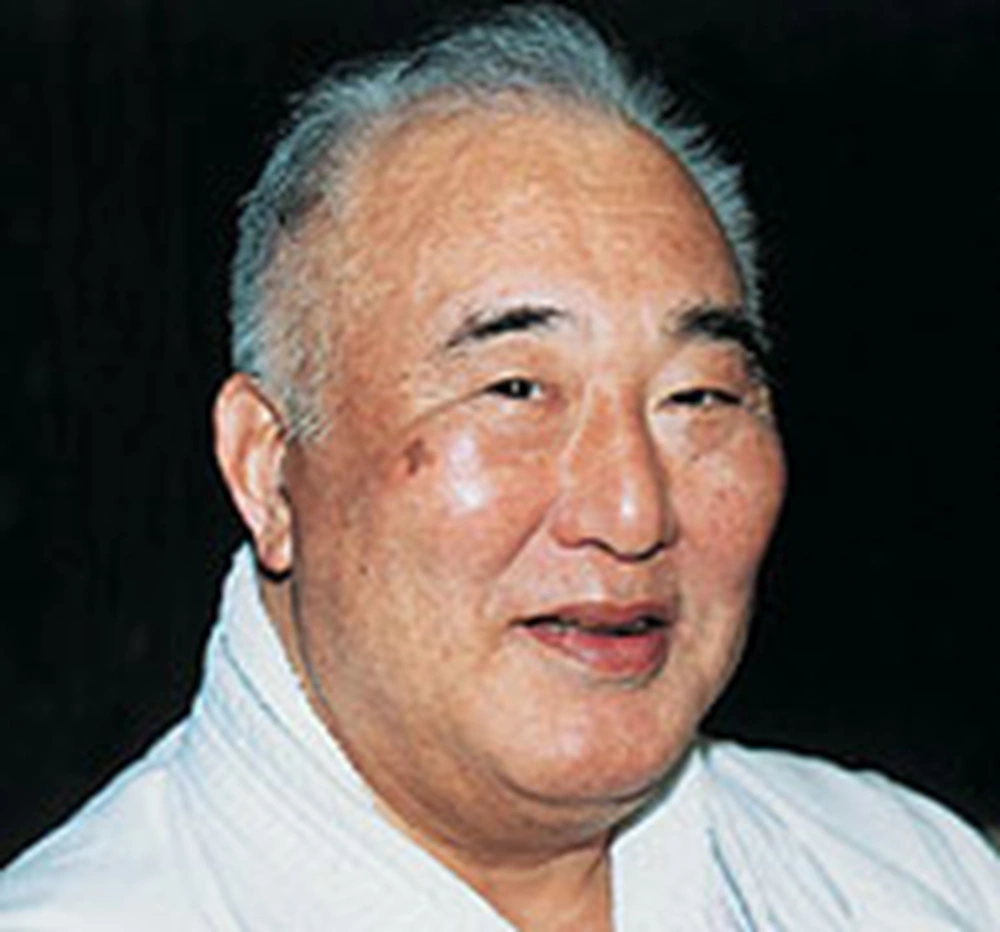
Taiji Kase (1929–2004) – A Japanese master of Shotokan karate who was one of the earliest masters responsible for introducing this martial art into Europe. He emphasized advanced techniques and bunkai. His leadership in JKA’s expansion showed Karate’s global reach.
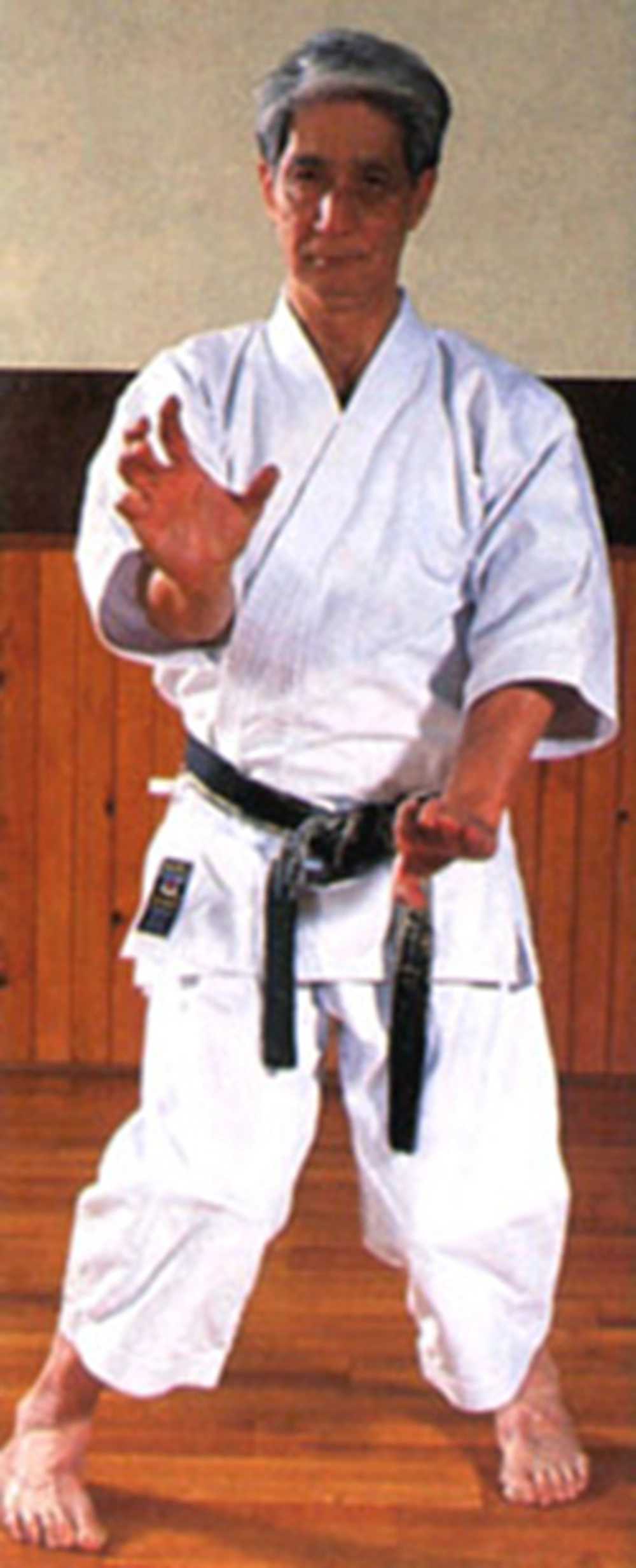
Hidetaka Nishiyama (1928–2008) – An internationally recognized Shotokan karate instructor, author, and administrator he was the co-founder of JKA. He is attributed to have spread Karate internationally. He promoted Karate as both sport and lifelong discipline.
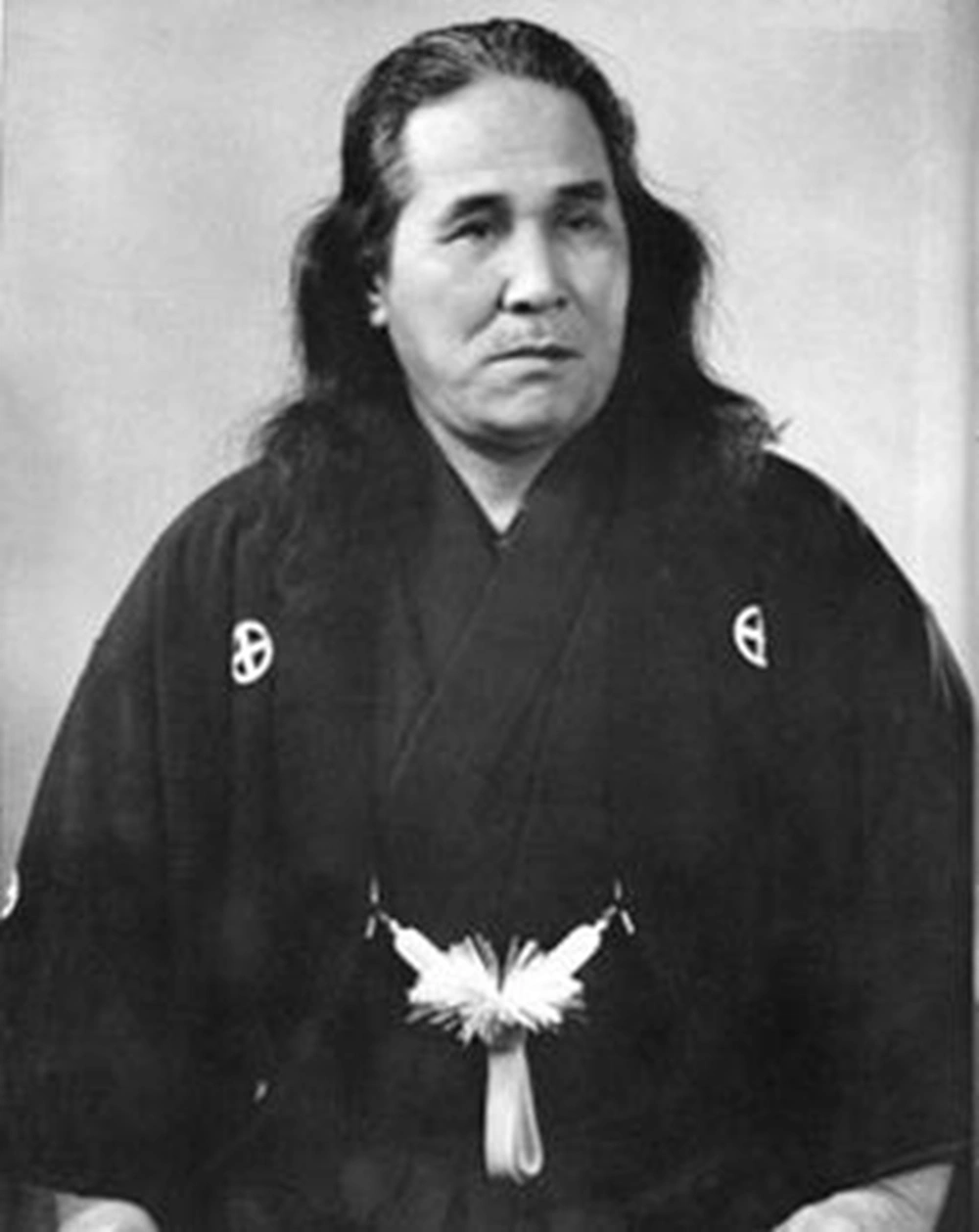
Gogen Yamaguchi (1909–1989) –. He was one of the most well-known karate-dō masters from Japan and founded the International Gōjū Kai Association. He earned the nickname "the Cat" from American GIs due to his gliding walk and flowing hair.
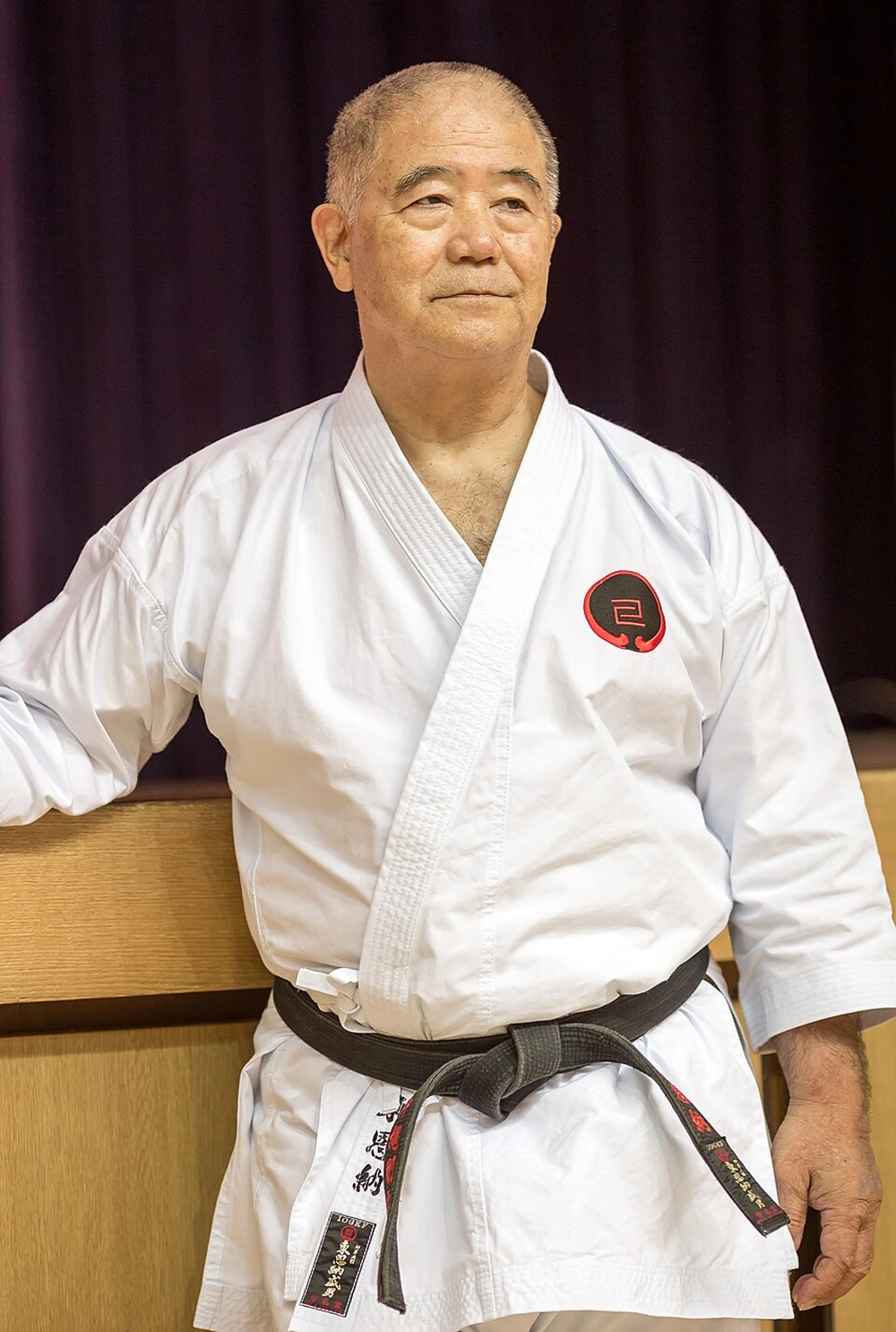
Morio Higaonna (b. 1938) – Modern Goju-Ryu master, known for power and precision. His dedication preserved traditional training methods while spreading Goju-Ryu globally. Higaonna training is rooted in Kata, Kihon, and Kumite but his hallmark is intensity and repetition.
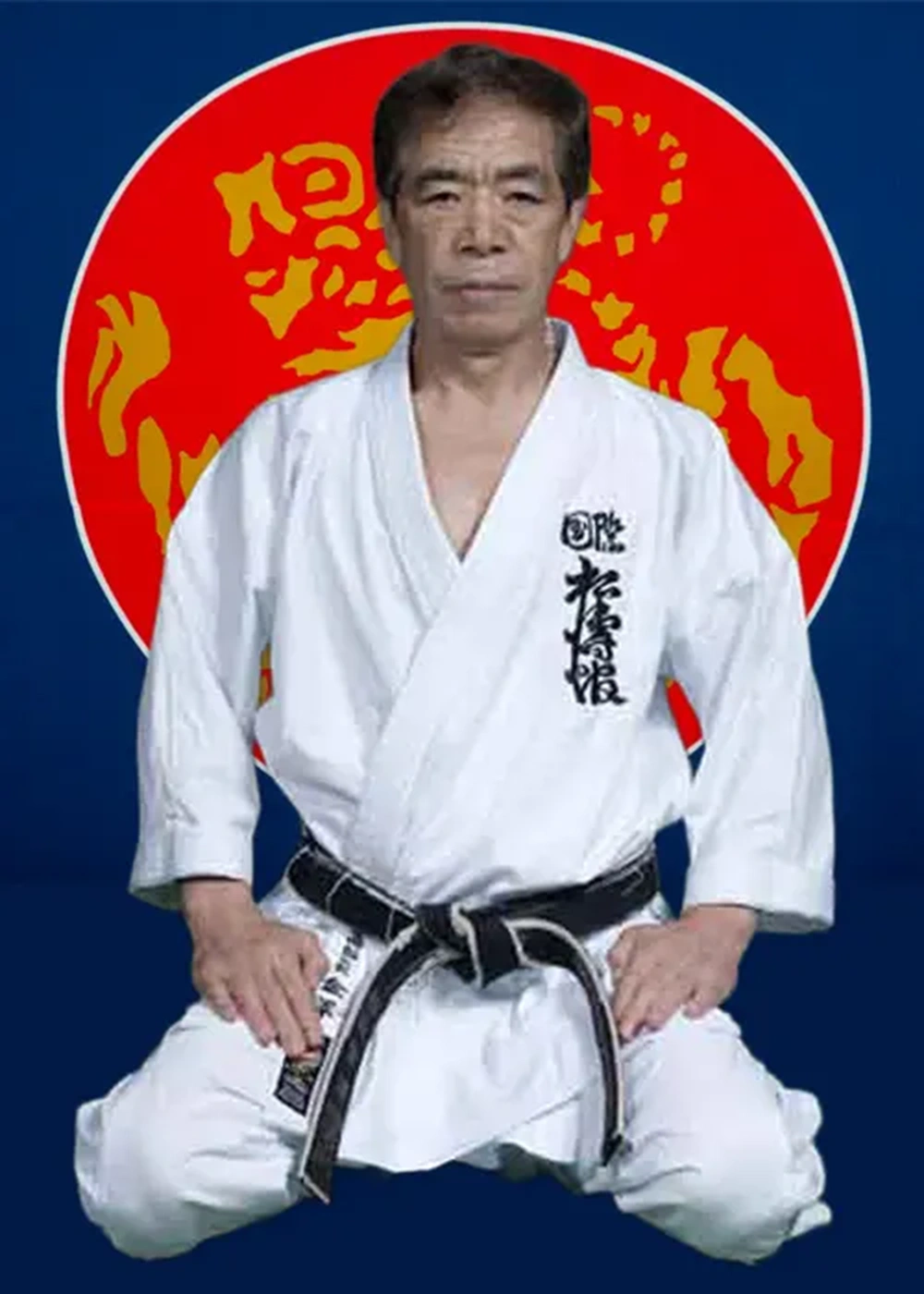
Hirokazu Kanazawa (1931–2019) – Shotokan master, founder of Shotokan Karate-Do International Federation. He emphasized holistic Karate, blending physical mastery with spiritual growth. He taught that karate is not only physical but also a path to character, balance, and self-improvement.
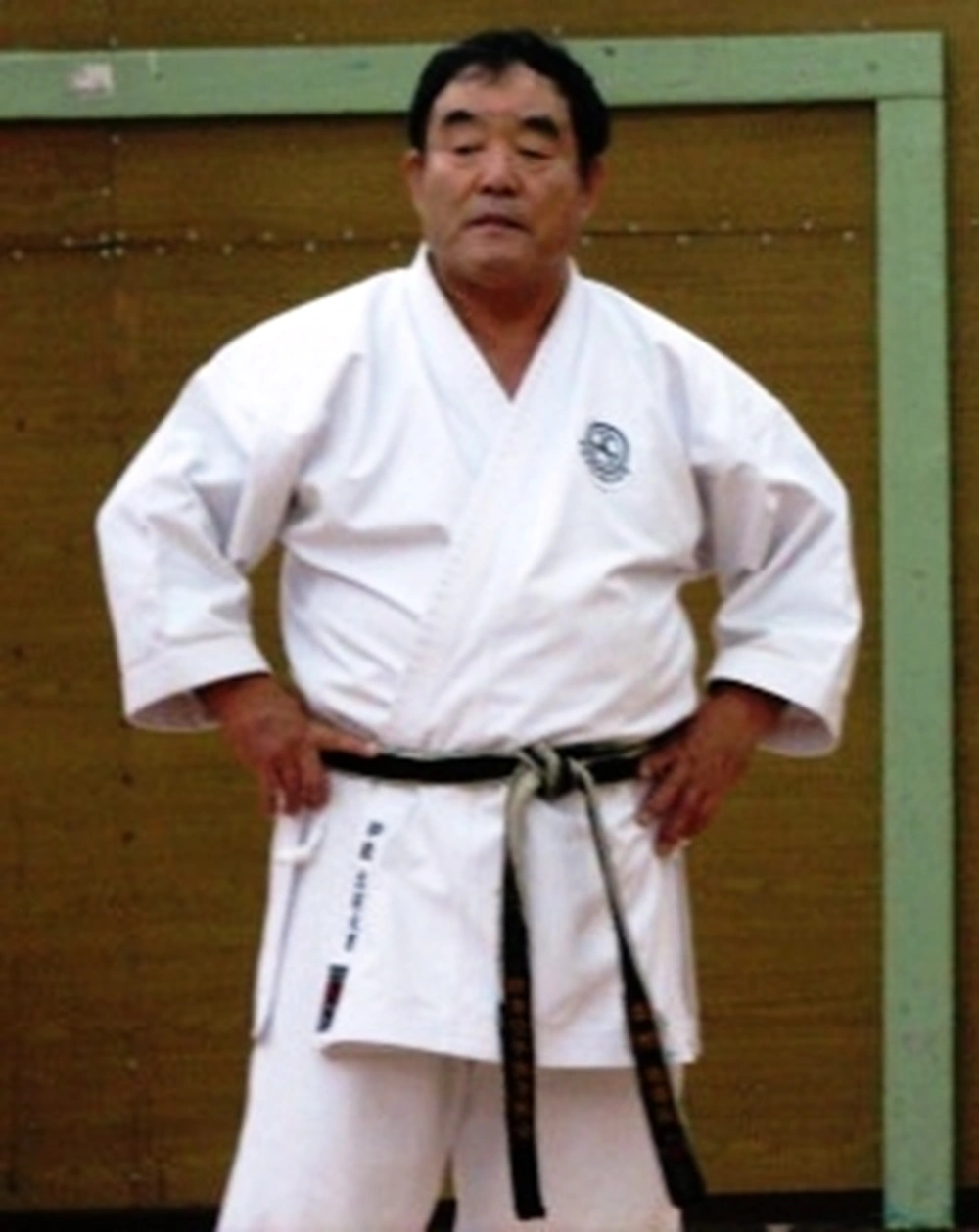
Fumio Demura (1938–2023) – Shito-Ryu master, popularized Karate and Kobudo in the West. His Hollywood work as an actor brought Karate into pop culture, inspiring millions. He was an accomplished tournament fighter in his day and is still regarded as a master of Okinawan weaponry.